Written by Anthony Stitt
Globally, the cyber threat level to organisations remains high, and the current situation only serves to highlight this further.
Companies are investing in Threat Intelligence Platforms (TIPs) to enhance cybersecurity and manage the deluge of data from disparate sources.
The security operations centre (SOC) has been on the front line facing the pandemic-induced escalation of cybersecurity threats in the past eighteen months.
Organizations have accelerated their plans for security automation due to the COVID-19 pandemic, with 80% now having partial automation, a new report finds.
Just like a compass, regularly reviewing the threat model keeps the CTI teams IR's pointed in the right direction over time.
Supply chain attacks show no sign of slowing down. But the right combination of platforms can help organisations get ahead of the threat.
Empowering humans to engage in critical thinking is vital to efficient detection and response, writes ThreatQuotient APJC regional director Anthony Stitt.
Few organisations have matured their security operations (SecOps) to the point where they have integrated a complete CTI practice.
An effective CTI program requires the alignment of people, processes and technology, writes ThreatQuotient APJC regional director Anthony Stitt.
When an attack happens, security teams should be ready with information about who is attacking and the steps being taken to mitigate damage.
Understanding the limitations of defences requires examining how blocking and detection systems leverage cyber threat intelligence.
The 2021 SANS Cyber Threat Intelligence survey reveals the growing importance of CTI as cyber-breaches and COVID-19-related attacks increase.
The MITRE ATT-CK framework provides a threat-informed approach to detecting and protecting against malicious attacks.
Cyber-threat fusion centres transform siloed security, enhancing cross-department intel sharing & decision-making.
Understanding an organization's threat landscape requires the right data sources and prioritization for actionable intelligence.
Many organisations struggle to create an effective threat model, but internal threat intelligence data can provide valuable insights.
Organisations must weigh orchestrating versus automating security operations to enhance effectiveness, as cyber spending outstrips IT outlay by nearly 2:1.
Many organizations already have the technology required for threat hunting, with SIEMs and threat intelligence a starting point.
Volvo's CEO skips level 3 self-driving cars, deeming them unsafe. What lesson can we learn about automation in security operations?.
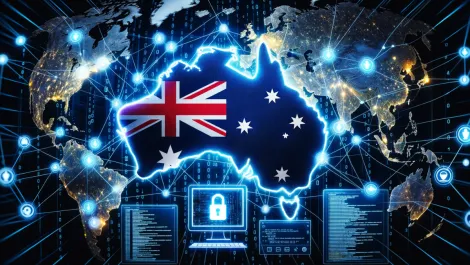
Australia and many other countries around the world continue to bolster cybersecurity initiatives with the goal of increased trust and verification in mind.