As AI pipelines spread data across jurisdictions, rigid architectures are turning compliance into a costly risk for enterprises.
Industrial firms can use private 5G to cut downtime, improve safety and support automation where Wi-Fi and public mobile networks fall short.
Avoidable job losses could rise if leaders delay role redesign, even as one in four workers globally face some exposure to generative AI.
Poor-quality records can still undermine patient matching, interoperability and AI workflows, even as healthcare data volumes keep rising.
Businesses face rising disruption unless seven basic cyber controls are properly integrated, tested and owned across identity, recovery and supplier access.
Encrypted data captured today could be cracked later, leaving governments, banks and health services exposed unless they migrate before quantum computers arrive.
As AI workloads shift from training to inference, firms risk stranded kit unless they build systems that can adapt over five to seven years.
Duplicate records are inflating storage bills, slowing pipelines and skewing reports as organisations pull in data from ever more systems.
B2B brands risk invisibility as buyers turn to AI answers, with websites needing SEO, AEO and GEO to stay discoverable.
AI is already making cyber attacks faster and cheaper, while quantum computing could soon put trust in data and payments at risk.
Rising cyber threats and ageing systems are leaving utilities exposed, with only about a third of leaders feeling ready for external risks.
Unverified AI outputs can quietly drive failed deliveries, compliance noise and customer-record errors across Asia Pacific businesses.
Many firms are wasting AI spend by tackling the technology before defining the business problem, leaving CIOs to rethink old assumptions.
Millions of blocked phishing and scam attacks have been traced to residential proxy traffic, putting home internet users at risk without realising it.
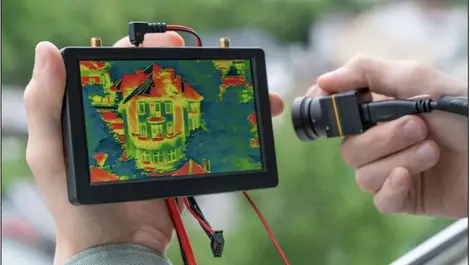
Buyers could face fewer post-settlement surprises as drones, thermal cameras and LiDAR expose hidden defects in New Zealand homes.
Shadow spreadsheets often expose why council ERP projects collapse, as staff comply with change plans while quietly distrusting the new system.
Connected coolers are becoming a source of live market data, helping brands cut costs, improve safety and boost compliance across fleets.
Travellers are increasingly left stranded at busy airports as lounge demand surges, prompting LoungePair to push backup access to restaurants and other amenities.
AI is pushing customers to pay partners for clarity and outcomes, as data volumes surge and existing security tools miss key blind spots.
Many retailers are missing live customer queries because AI assistants now fetch product pages far more often than Google does.