Mid-market firms in Australia and New Zealand can now buy round-the-clock threat monitoring as AI adoption widens security gaps.
Local AI features could run faster, stay private and work offline as chipmakers push laptops with dedicated neural processors.
Some firms can cut server counts by 86%, freeing rack space, power and licence spend for AI and other new workloads.
Sharp New Zealand's backing is accelerating Securecom's growth as it adds senior cyber expertise and broadens product and commercial leadership.
The rankings underline a shift towards consolidated automation platforms as enterprises juggle AI agents, bots and regulated workflows.
Better planning and digital collaboration could cut construction waste, rework and embodied carbon far more than new materials alone.
Tighter controls could stop overspend, speed approvals and cut audit chasing for lean healthcare finance teams juggling complex funding streams.
CISOs are under pressure to answer boardroom questions on exposure in minutes, as Filigran pushes CTEM and open-source validation tools.
Australian publishers could gain a bigger share of ad spend as the ad-tech firm opens locally with a country manager to court buyers and sellers.
Operators could use the new framework to spot faults faster, test changes safely and automate telecoms network decisions as complexity rises.
Enterprise Oracle users could cut licensing and infrastructure costs as Google Cloud adds high-memory M4N instances tuned for heavy I/O workloads.
Utilities and cloud operators could squeeze more AI work from fixed power budgets as Nvidia's DSX software lifts throughput and cuts demand.
The service aims to cut storage overheads for firms running thousands of AI agents, while keeping workspaces isolated and quick to spin up.
Electricity is becoming the main bottleneck for AI data centres as new Nvidia partnerships aim to raise output per megawatt.
Growing scrutiny of cryptographic supply chains is pushing maintainers, researchers and regulators into the same room in Prague this year.
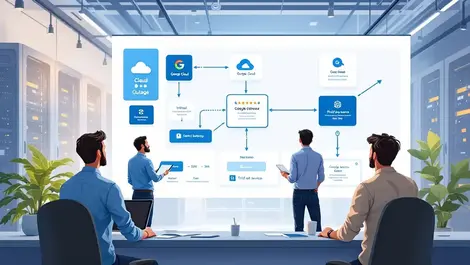
Customers can use the six-step workflow to tell whether an outage stems from Google, their own systems or a third-party service.
Shared AI projects are stalling as marketers and technologists dispute control, with most CIOs claiming the final say on CMS and DXP choices.
High-end RTX users can now keep sensitive work on-device as Perplexity extends its local AI agent to supported Windows PCs.
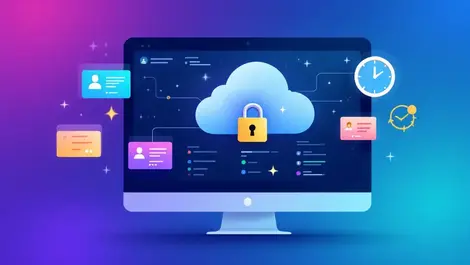
Administrators can now target shorter reauthentication windows to privileged users and specific apps as Google Cloud rolls out its new 16-hour default.
Attackers are exploiting AI tools to speed intrusions and drain cloud resources, pushing defenders towards machine-speed security operations.