

Australian MSPs face rising demand for AI security advice
Mon, 9th Nov 2026 (Today)
Barracuda has published research showing Australian managed service providers face growing demand for support on AI-related security risks and cyber resilience. The study found 68% of Australian organisations already outsource security to an MSP.
Another 28% are considering or evaluating an MSP, according to the survey of 200 local IT and security leaders. The findings point to a market where technical monitoring services remain important, but customers also want advice business leaders can understand.
The research draws on an international survey of 2,000 mid- to senior-level IT and security decision-makers at organisations with 100 to 2,000 employees. Respondents came from Australia, the United States, the United Kingdom, France, Germany, Austria, Switzerland, Belgium, the Netherlands, Luxembourg, Denmark, Finland, Norway, Sweden, India and Japan.
Changing demand
Customer demand is shifting beyond traditional security operations centre services towards broader support with resilience, leadership and incident response. Organisations seeking outside help are not mainly driven by a rise in attacks, but by doubts about whether they can detect, investigate and respond to threats quickly enough.
Globally, only 29% of organisations seeking MSP support said they could secure compromised accounts and restore operations within hours of an incident. Nearly six in 10 prospective customers were also concerned about AI-related threats, including AI-generated phishing, AI-assisted social engineering, shadow AI and insider risks linked to AI tools.
Barracuda's findings suggest resilience remains a weak point for many organisations. Nearly half of prospective MSP customers worldwide said key resilience measures, such as security leadership, workplace security culture, asset visibility and third-party risk management, were either still at an early stage or only partly in place.
Plain language
In Australia, the ability to explain cyber risk clearly emerged as a key differentiator for service providers. The research found 39% of existing MSP customers said clear, plain-language explanations of risks, incidents and next steps were an important factor when choosing a provider.
This points to a broader shift in how managed security services are being judged, as buyers look not only for technical expertise but also for communication suited to executives and boards. The emphasis on business risk language reflects pressure on technology leaders to justify security spending and explain incidents in terms non-specialists can act on.
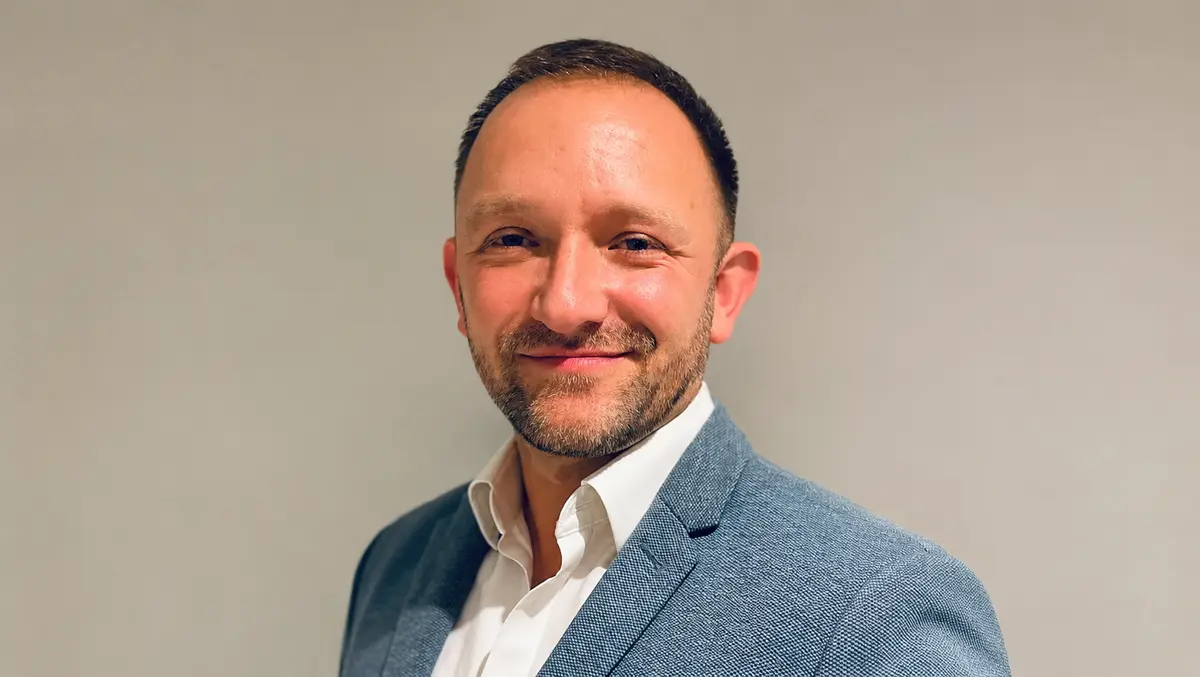
Andy Cocking, Director of MSP, APAC, Barracuda, said Australian customers are looking beyond alert monitoring. "Australian organisations want more from an MSP than someone to watch the alerts," he said.
"Attackers are using AI to sharpen their methods, and businesses are adopting AI faster than many can secure it. What customers are asking for now is a trusted partner who can help them understand their risk, build resilience, recover quickly from an incident and make confident decisions. With 68% of Australian organisations already working with an MSP and another 28% looking for one, the opportunity is real. The MSPs that win it will pair technical excellence with the ability to protect their customers' businesses, advise leadership teams in plain language and guide them through an increasingly AI-driven landscape."
The Australian figures indicate that outsourced security is already widely established among mid-sized organisations. That leaves providers competing less on whether companies should use an MSP and more on the kind of support they can offer. For providers, that may mean placing greater emphasis on incident recovery, communication with senior management and practical advice on AI-related exposures.
The study focused on organisations with 100 to 2,000 employees, a segment that often lacks the in-house depth of larger enterprises but faces many of the same security pressures. The findings suggest many of these organisations want service providers that can bridge technical operations and business decision-making at the same time.
Globally, 59% of MSP prospects said they are concerned about AI-related risks.