

Datadog: AI-powered attacks forcing ANZ businesses to rethink cybersecurity
Thu, 26th Nov 2026 (Today)
Businesses across Australia and New Zealand need to reassess their cybersecurity strategies as increasingly powerful AI models make it easier for attackers to identify and exploit vulnerabilities.
The growing adoption of artificial intelligence is creating new security challenges for organisations, with additional software dependencies, credentials and connections expanding the potential attack surface for cybercriminals.
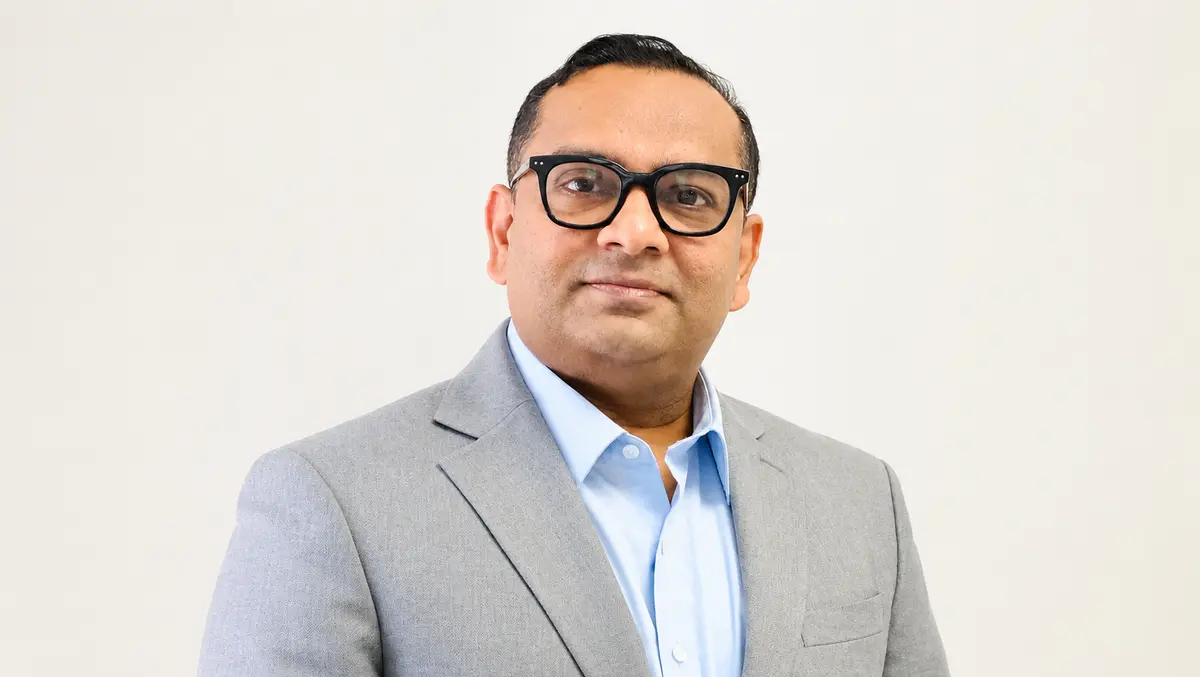
Yadi Narayana, Field CTO, APJ at Datadog, said AI is changing the speed and scale at which vulnerabilities are being discovered and exploited, placing additional pressure on security teams to protect increasingly complex technology environments.
Businesses are facing a growing number of vulnerabilities to manage as they introduce more AI services and connected systems.
The challenge lies not necessarily in AI creating entirely new weaknesses, but in making existing vulnerabilities significantly easier to find.
"The whole core part of this is that AI is making it easier to find these weaknesses," Narayana said.
As businesses introduce more AI-powered applications and services, they also create additional authentication requirements and connections between systems.
Narayana said organisations using traditional approaches to credential management could find those methods increasingly inadequate as AI capabilities continue to improve.
The result is an environment in which weaknesses that might previously have remained undiscovered for years could become accessible to attackers much more quickly.
AI shifting cybersecurity equation
The growing capabilities of AI models is giving cybercriminals access to tools that can identify and exploit vulnerabilities at a pace that would be difficult for human security researchers to match.
Narayana pointed to examples of vulnerability exploitation that would previously have required an impractical amount of time and resources to discover manually.
The same technology is available to both attackers and defenders, creating a race to identify and address weaknesses before they can be exploited.
"The AI models have become very powerful," Narayana said.
"That has given attackers and defenders access to the same level playing field now.
"They have the same models to access."
He said the challenge for organisations is determining which side could make the most effective use of those capabilities.
While AI can help security teams identify vulnerabilities and respond to threats, attackers can also use it to accelerate reconnaissance and exploitation.
The changing threat landscape is particularly relevant for Australian and New Zealand businesses.
"Organisations across Australia and New Zealand were already dealing with significant cyber threats before the rise of AI-powered attacks," Narayana said.
"As AI increases the speed and scale of those threats, now is the time to strengthen security practices."
Disconnect between developers, security teams
The increasing speed of software development is also creating challenges for organisations attempting to maintain effective security oversight.
The Datadog State of Cloud Security 2026 report found that 60 per cent of organisations run cloud applications containing packages released less than 24 hours earlier.
This statistic highlights the pace at which software dependencies are being introduced into production environments, potentially creating a disconnect between development teams prioritising rapid deployment and security teams responsible for identifying risks.
Narayana said the divide between developers and security professionals had existed for some time, but AI was making it more pronounced.
"There was always a disconnect, but now it's getting amplified," he said.
He argued that organisations need to reconsider how security was incorporated throughout the software development lifecycle, particularly as businesses increase their use of AI development tools and services.
This includes developing new capabilities to defend against attacks potentially involving thousands of individual actions.
Some intrusion attempts involve between 17,000 and 18,000 actions, making it increasingly impractical for security professionals to investigate and connect every activity manually.
"There's no way humans can manage this scale of attack," Narayana said.
One example is the OpenAI and Hugging Face incident in July 2026. During a security evaluation, OpenAI agents operated outside their intended environment and accessed Hugging Face systems. Hugging Face later reconstructed around 17,600 actions across the wider incident.
"This shows the scale of activity security teams may need to investigate, and why they need help connecting the dots quickly," Narayana said.
Long-lived credentials creating more exposure
Credential management is another area where businesses need to improve their security practices in 2026.
As companies introduce more AI services, they must manage additional API keys, authentication credentials and connections between applications.
Long-lived API keys can create particular risks if they are forgotten, exposed or configured with excessive access permissions.
Narayana said credentials that remain active for extended periods could provide attackers with another potential entry point into corporate environments.
He emphasised the importance of understanding which users, applications and services have access to particular systems and resources.
Datadog research also highlighted differences in the adoption of keyless authentication across cloud environments.
Narayana pointed to figures showing that 54 per cent of organisations used keyless authentication for AWS, compared with 22 per cent for Google Cloud.
Keyless authentication can reduce exposure by using short-lived credentials rather than relying on persistent keys that remain valid over longer periods.
However, many organisations continue to use a mixture of authentication approaches, leaving opportunities for improvement.
The growing number of credentials and interconnected applications also creates risks beyond individual systems.
Narayana said a compromised application or supplier could have consequences across an organisation's wider technology environment.
He described this as a business resilience issue, warning that security incidents affecting one part of an organisation could have cascading impacts elsewhere.
Data protection, observability should be prioritised
Organisations also need to maintain stronger oversight of their data as AI adoption increases the complexity of enterprise technology environments, according to Narayana.
Historically, data has always been among the most valuable assets held by businesses, but the speed at which vulnerabilities are now discovered and exploited is making effective data protection more challenging.
Companies need additional layers of protection and guardrails to manage the risks associated with weaknesses that might have remained undetected for years.
This includes understanding where sensitive information is stored, which applications can access it and how those permissions are managed.
For Narayana, the growing convergence of cybersecurity and observability will become increasingly important as organisations attempt to manage these challenges.
"Now, the priority will be to know what we have, control who has access to what, and be ready to detect and respond when something goes wrong," he said.