

Datagrid signs 140MW deal to power Southland AI campus
Thu, 19th Mar 2026
Datagrid New Zealand has agreed a 140MW long-term Power Purchase Option Agreement with electricity generator Mercury to support a planned AI-focused data centre campus in Southland.
The 15-year deal gives Datagrid price certainty for its next-generation data centre platform. The companies described it as one of New Zealand's largest single commercial power agreements linked to AI and high-performance computing infrastructure.
The agreement covers 140MW, or about 1.2TWh a year. Datagrid said that annual volume is equivalent to around 3% of national electricity demand.
The campus is planned for Makarewa, near Invercargill. Datagrid is positioning the site as a hyperscale development for advanced AI workloads, sovereign cloud services and high-density computing.
Southland campus
The project is planned for 280MW of total capacity. Resource consent was granted in March, which Datagrid described as a major regulatory milestone.
Construction is expected to start in June, with full delivery targeted for 2028.
Datagrid expects more than 1,200 skilled and technical jobs during construction, and said the build phase would drive employment and economic activity in the region.
Electricity supply and pricing have become central considerations for data centre developers, particularly for AI workloads that can drive high and sustained power demand. New Zealand's electricity system has a large share of renewable generation, which developers and investors often cite when assessing long-term operating conditions.
New Zealand generates around 85% to 90% of its electricity from renewable sources. Datagrid said the country is on track to exceed 98% renewables by 2030.
All electricity generation in the South Island is renewable, according to Datagrid. The company said this makes Southland one of the more attractive Asia-Pacific locations for AI infrastructure.
Price hedge
The power purchase option agreement acts as a long-term hedge for Datagrid's Southland site and supports a campus design centred on high-density computing.
For Mercury, the arrangement provides a long-term contracted customer. The generator linked that certainty to its renewable investment pipeline and expected demand growth.
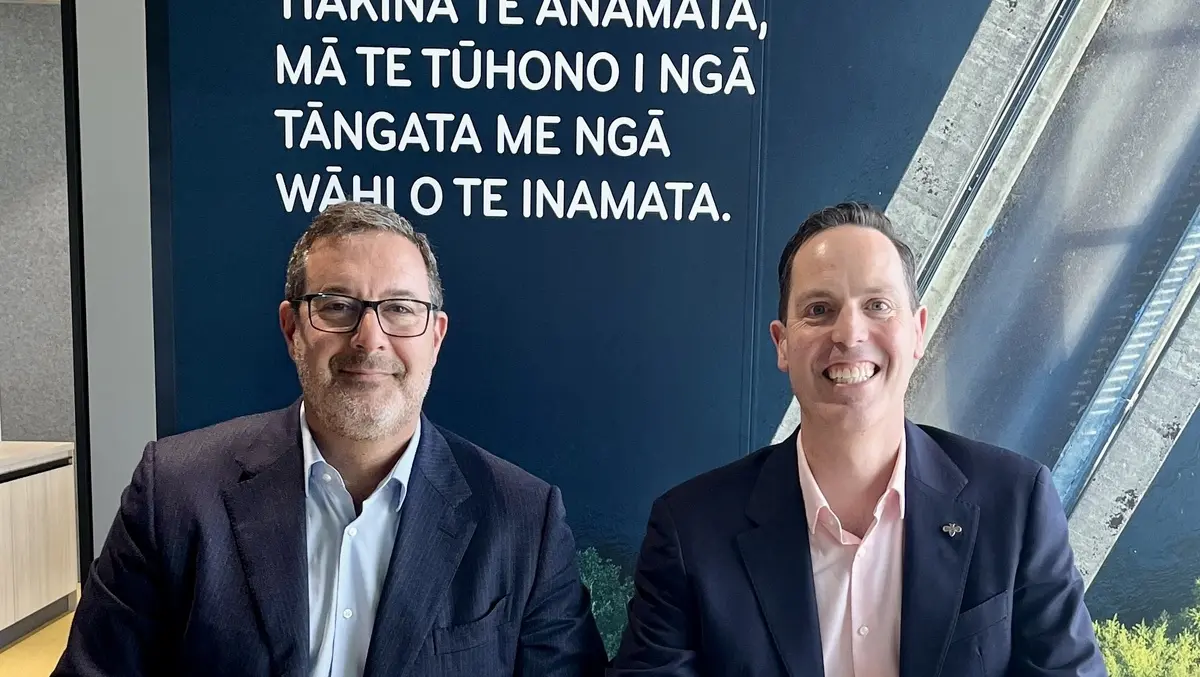
Datagrid chief executive Rémi Galasso said the supply arrangement was central to the company's Southland plans.
"This 140MW agreement with Mercury is a cornerstone for Datagrid New Zealand. It enables us to offer international AI players a competitive platform powered by renewable energy, natural cooling advantages, and long-term stability in Southland.
In a world of increasing global uncertainty, we see New Zealand evolving into a secure and trusted hub for AI infrastructure, combining sustainable energy, security, and strategic advantages for AI workloads. Datagrid intends to contribute to this vision through the development of New Zealand's first AI Factory."
Mercury chief executive Stew Hamilton linked the project to the wider debate in New Zealand over data centre investment, construction activity and energy demand.
"It's exciting to support New Zealand's first AI Factory. Data centres represent a $70 billion economic growth opportunity for New Zealand, according to BCG's recent Energy to Grow report, with benefits including jobs for locals during construction. This also positively positions Southland and, by extension, New Zealand in this fast-growing sector."
"Having guaranteed customers buying a significant amount of generation means we can continue to invest significantly in new renewable generation for New Zealand, helping meet future demand growth and build resilience."
Renewables pipeline
Mercury recently completed an expansion of its Ngā Tamariki Geothermal Station near Taupō. Stage two of its Kaiwera Downs Wind Farm near Gore and the Kaiwaikawe Wind Farm near Dargaville are due to start generating in 2026.
The three developments represent a $1 billion investment in new renewable generation, according to Mercury. The generator also plans to invest $590 million in hydro refurbishment over the next decade.
Datagrid's site plan includes additional network infrastructure beyond the data centre buildings. The company is also developing the Tasman Ring Network, an international subsea cable system intended to land in the South Island.
Datagrid said the cable would connect Invercargill with major Australian hubs and cut trans-Tasman latency by up to 50%. It described the project as a new digital gateway designed to strengthen international connectivity and resilience for large-scale computing deployments.
Mercury is listed on the New Zealand Stock Exchange and the Australian Securities Exchange under the ticker MCY. The New Zealand Government holds a legislated minimum 51% shareholding.
Datagrid expects the Southland development to move from consented planning into construction in June. It said the 140MW power agreement provides long-term pricing coverage as the project advances towards its 2028 delivery target.