

Halter launches AI assistant for New Zealand dairy farms
Wed, 25th Nov 2026 (Today)
Halter has launched Mav, an artificial intelligence assistant for dairy farmers, for its 1,200 New Zealand dairy customers on Pro and Unlimited plans.
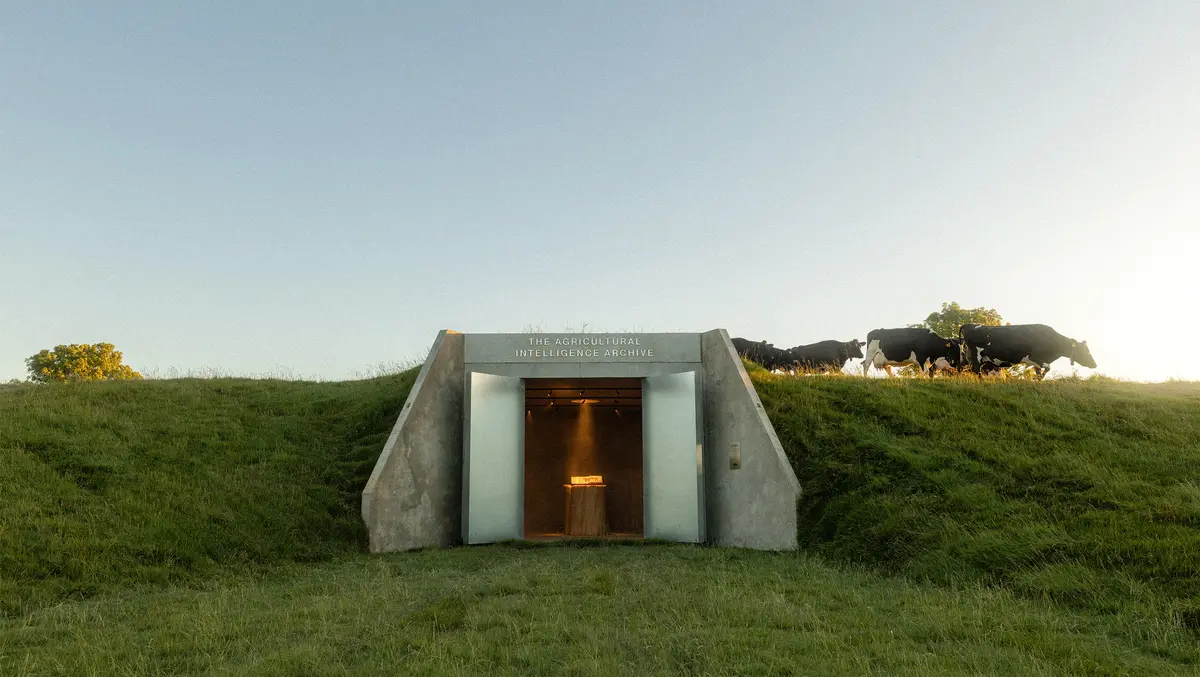
The launch coincides with the opening of Halter's Agricultural Intelligence Archive, a physical repository in Waikato designed to preserve farming insights gathered through the company's systems.
Mav draws on data collected through Halter's collars and farm management platform, including pasture and grazing history, animal behaviour, health information and mating records. Farmers can use it to ask about herd conditions, identify cows needing attention, track pasture growth against earlier seasons and schedule recurring daily updates.
The assistant has been trained on an anonymised pool of farm data that Halter describes as one of the world's largest combined pasture and bovine datasets. It spans 10,000 cumulative breeding seasons, seven million heat detections, 1.2 million health cases and more than 500 million collar days on-cow. Halter collars have also generated more than 1.2 trillion data records to date.
During its beta phase, users asked Mav more than 100,000 questions, according to Halter.
One example comes during mating season, when a large dairy farm may have about 50 cows coming into heat in a single day. Halter's system can already identify those animals, while Mav is intended to help farmers weigh factors such as heat history, timing and intensity to decide which cows need closer attention and when.
Craig Piggott, Founder and Chief Executive Officer of Halter, said the company sees the product as a way to make farm data more useful at the moment decisions are made.
"AI for us is really about Agricultural Intelligence. We've spent years building technology that gives farmers layers of information about what is happening on their farms. Mav takes all of that information and helps them work out what to do with it," Piggott said.
He linked the tool to the volume of daily decisions required on dairy farms.
"Farming is made up of hundreds of decisions made every day. If we can help farmers make more of those decisions well, and make them earlier, that compounds into more grass, more cows in calf, and more milk," Piggott said.
Physical archive
The Agricultural Intelligence Archive is housed in a temperature-controlled space built into a grassy hillside at Halter's research and development farm in Morrinsville, Waikato. Built from a cattle underpass, it will hold physical records of what Halter describes as foundational farming insights gathered over successive seasons.
The archive was inspired by seed banks, which preserve material for future use and research. In this case, it is intended to hold records of agricultural intelligence derived from real farms, animals and seasons.
"Farming knowledge has always been built season by season and passed from one generation to the next. We're now able to learn from farms at an incredible scale, and we think there's value in preserving some of that," Piggott said.
Mav's learnings will be verified and then committed to the archive in physical form on an ongoing basis, Halter said. The first volume, Agricultural Intelligence Volume 1, focuses on the 2026 calving and pre-mating period and uses aggregated data from dairy farms across New Zealand and about 800,000 collared cows out of Halter's two million collared cows globally.
According to Halter, the first volume examines how pasture growth moved from winter into spring and what the behaviour of nearly 590,000 cows indicates about recovery after calving. It also includes case studies based on data donated by five farmers from around New Zealand.
The archive holds historic logbooks from New Zealand dairy farms as well as records of physical farming technology. Halter said the broader agricultural insights preserved there will be anonymised and amalgamated, while copies of the first volume will be available for viewing.
Mav is Halter's latest move to deepen the use of data gathered through its connected collars, which monitor livestock activity and support farm management decisions. By combining those records with an interface that answers natural language questions, the company aims to simplify how farmers access operational insights from large datasets.
The launch also reflects the growing use of artificial intelligence tools in agriculture, as software providers try to turn sensor, animal and pasture data into more immediate advice for farm operators. Halter's approach adds a physical archive to that effort, creating a permanent record of selected findings from a sector where knowledge has often been passed on informally or kept in farm notebooks.
The archive's collection is expected to grow over time through further records, donated material and future volumes of agricultural intelligence.