

Hands-on review: Apple AirPods 5 make ANC more affordable
Wed, 14th Oct 2026 (Today)
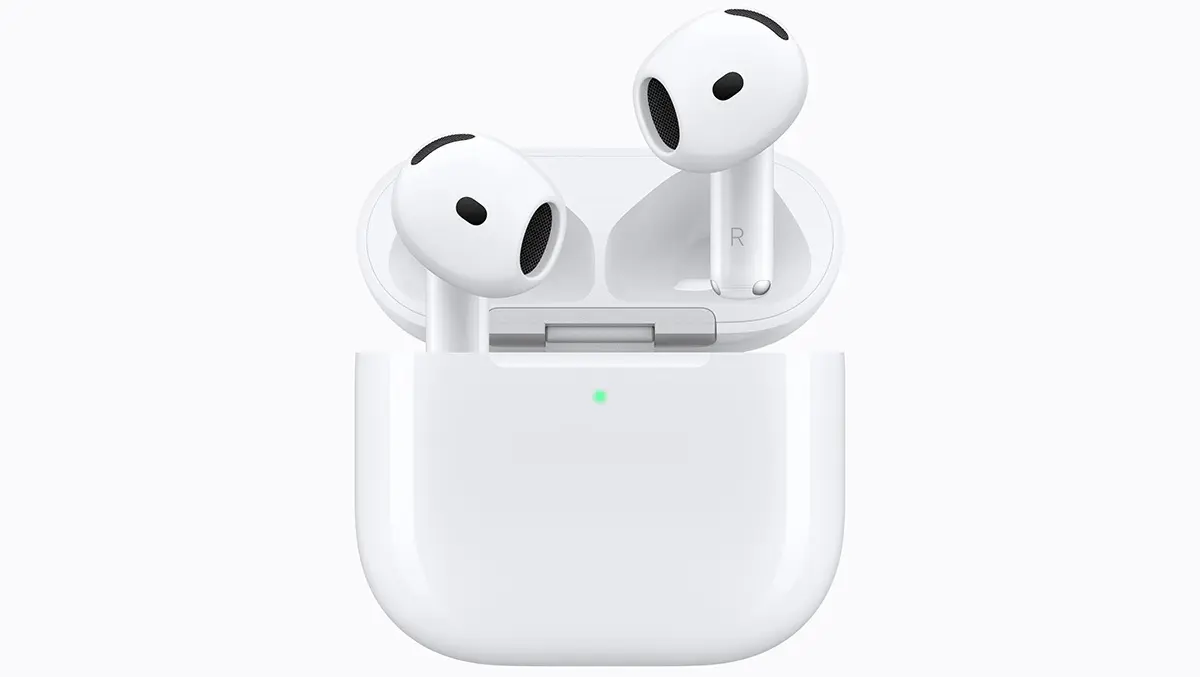
Apple's AirPods 5 bring active noise cancellation to both versions of its entry-level earbuds, making the cheaper model more useful than its predecessor. The familiar design retains white plastic shells, short stems and no silicone ear tips.
Stronger noise cancellation and improved water resistance make them a more convenient option for iPhone owners. The dearer version also gains volume controls. Battery life still requires regular charging breaks, while comfort depends on how well the fixed shape fits your ears.
Price differenceThe standard AirPods 5 cost AUD $219 / NZD $249, including GST. AirPods 5 with Wireless Charging Case cost AUD $249 / NZD $299. Both went on sale on 18 September 2026.
The small premium adds wireless charging, volume swipes on the stems, longer listening time and a case speaker to help locate it nearby. Both versions offer the same sound quality and noise cancellation.
The cheaper model makes sense on a tight budget. For most buyers, the extra controls and longer battery life justify the difference.
AirPods 5 look much like AirPods 4. The compact case slips easily into a pocket. Unlike AirPods Pro, the earbuds rest at the entrance to the ear canal without creating a seal.
The open fit avoids the plugged sensation some people dislike and can feel comfortable during extended listening. But there are no interchangeable tips to help if the plastic shell presses uncomfortably against the ear.
A secure fit for one person can feel loose or irritating for another. Try them before buying, particularly if previous AirPods have caused discomfort.
Both the earbuds and case have an IP57 rating, up from IP54. The improved dust and water resistance is useful for sweaty workouts and wet weather. A secure fit remains essential for exercise, especially during vigorous movement.
Noise controlApple claims up to 50 per cent more external noise reduction than AirPods 4 with ANC. The new multiport acoustic architecture and revised processing aim to improve cancellation without a physical seal.
Traffic and the bustle of a commute become less intrusive. Nearby speech, sharper sounds and engine rumble can still get through.
Performance depends on how the earbuds sit in your ears. The headline percentage does not mean every sound will become half as loud. AirPods Pro 3 remain the stronger choice for isolation.
Transparency mode lets voices and nearby sounds through naturally. Adaptive Audio blends transparency with cancellation as conditions change. Conversation Awareness lowers playback when you start speaking, making brief exchanges easier.
Sound qualityThe redesigned acoustics and next-generation Adaptive EQ aim to make sound more consistent across different ear shapes. Adaptive EQ adjusts each ear independently to compensate for changes in fit. Both versions share the same audio hardware, so paying more does not improve music playback.
Sound is capable for casual listening. Vocals are easy to follow, and percussion and instruments remain distinct enough to keep arrangements clear. Bass has less weight than on sealed earbuds.
A loose fit can thin out the bass, while tuning can change with listening volume. Some brighter recordings can sound too prominent in the upper frequencies. The lower midrange also lacks the clarity of AirPods Pro 3.
The improvement over AirPods 4 is less clear-cut than the feature list suggests. It is a refinement rather than a reason to replace a working pair for sound alone.
Custom EQ in iOS 27 provides simple bass, midrange and treble controls. An interactive preview lets you hear each adjustment. Settings are stored on the AirPods and follow them across compatible devices.
Personalised Spatial Audio adds head tracking for compatible content and can give films a more expansive sound. Conventional stereo remains a straightforward option for music.
Daily controlsSqueeze the stems to control playback or press and hold to change noise-control modes. The Wireless Charging Case model adds volume swipes, reducing the need to reach for your phone.
Swiping adjusts volume without pushing the earbuds deeper into your ears. Restricting this practical feature to the dearer model makes the standard version feel unnecessarily limited.
Easy pairing and automatic switching remain advantages within Apple's ecosystem. Moving between an iPhone and Mac requires little intervention, and removing an earbud pauses playback. Bluetooth listening works with other devices, but many software features require Apple hardware.
Call quality is a strength. Speech is clear enough for routine work calls and conversations. Voice Isolation reduces background noise on supported devices.
Intelligent featuresThrough a compatible iPhone, Siri AI provides hands-free access to a more conversational assistant. It can use personal context for requests involving messages and other information.
The assistant is rolling out in beta with iOS 27. Availability depends on the device, software, language and region, and daily usage limits may apply. Its usefulness should be assessed separately from audio performance. Head gestures allow discreet yes-or-no responses.
Live Translation requires Apple Intelligence, compatible software and downloaded languages. Start it through Siri or by pressing and holding both stems together. Downloaded language models work without mobile reception or Wi-Fi. Availability depends on the language and region.
Translated speech plays through the earbuds. Replies can appear as translated text on the iPhone or be spoken through its speaker.
These features broaden the earbuds' capabilities but offer less value if your phone does not support them.
Battery limitsThe standard model is rated for up to four hours of listening with ANC enabled, or up to 20 hours with case recharges. The Wireless Charging Case version offers five and 22 hours respectively.
With noise control off, Apple quotes up to six hours for the standard earbuds and seven for the dearer version.
The extra hour helps, but neither model suits uninterrupted listening through a full working day. Case totals include recharging breaks, rather than continuous playback.
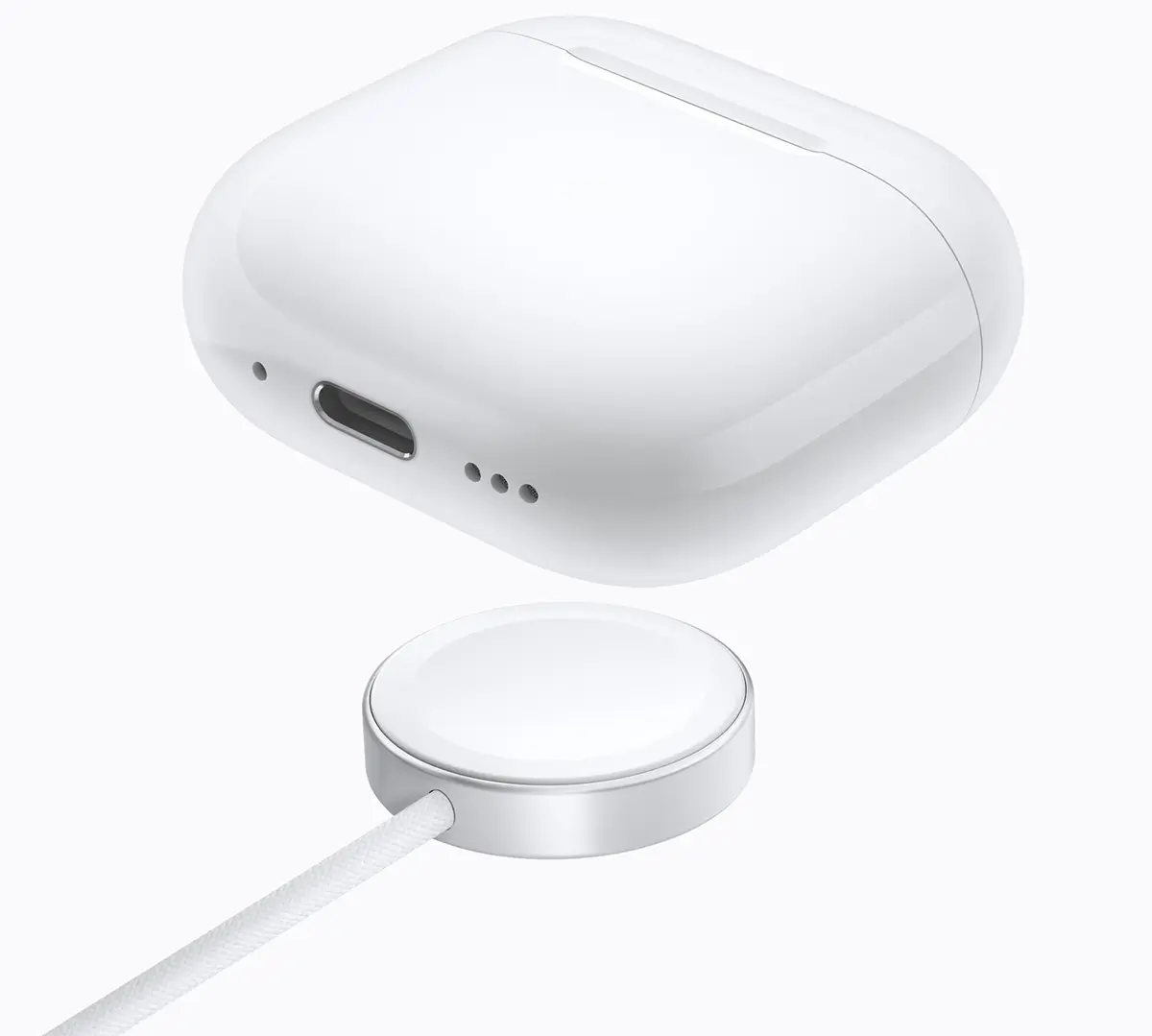
Both cases support USB-C. The dearer version also works with Qi and Apple Watch chargers. This makes topping up convenient, although listening still has to stop.
Buying verdictAirPods 5 are a sensible option for iPhone owners who prefer earbuds without silicone tips. Standard ANC improves the cheaper model's value. The Wireless Charging Case version offers the more complete daily experience.
Fit, limited battery life and weaker isolation remain the main compromises. AirPods 4 with ANC owners have less reason to upgrade than those replacing older models.
At AUD $249 / NZD $299, the Wireless Charging Case model is the better choice for most people. Try the fit first. Choose sealed earbuds if stronger isolation, heavier bass or longer continuous listening matters more.