

IBM Bob gains self-hosted deployment for enterprise AI
Sat, 3rd Oct 2026
IBM has introduced a self-hosted deployment option for IBM Bob, extending its AI software development platform to on-premises, private-cloud, sovereign-cloud and air-gapped environments.
The model is aimed at organisations that want to use AI for software development and modernisation without moving source code, data or workflows outside infrastructure they control.
IBM Bob is the company's agentic software development platform, designed to help teams apply AI not only to code generation but also to broader software delivery and modernisation work.
The launch comes as large companies increase spending on AI tools for engineering teams while facing tighter internal controls over sensitive data, critical systems and compliance. Those constraints are especially acute in regulated sectors, where data-processing location and AI governance can determine whether a tool can be used at all.
The self-hosted version lets customers run the platform where their code, application context and data already reside, rather than transferring them to an external service.
Control demands
IBM is positioning the offering around AI sovereignty and governance, arguing that many customers want closer control over data residency, security rules and operational oversight. That includes environments with limited or intentionally restricted internet connectivity, such as air-gapped systems.
Supported models can run on premises, including in isolated environments, using models customers have licensed. Customers can also connect the platform to supported external model services through hybrid configurations.
This is particularly relevant for large organisations whose application estates often span older on-premises systems, private clouds and other controlled environments. Many AI development tools are built with cloud-first assumptions, but enterprise modernisation programmes often involve systems and data spread across several types of infrastructure.
IBM cited research from Futurum Research projecting that hybrid and edge deployments will account for 44% of the AI infrastructure market by 2030, while public cloud share falls to 46%. The figures suggest that demand for AI systems operating under local or customer control will remain a significant part of the market.
Separate research from IBM's Institute for Business Value found that 68% of surveyed executives said meeting data residency and sovereignty requirements across geographies was challenging. That highlights a practical obstacle for multinational companies trying to deploy AI consistently across different regulatory environments.
Hybrid model
IBM's approach reflects a broader pattern in enterprise technology: companies are not choosing between cloud and on-premises systems in absolute terms. Instead, they are allocating workloads based on data sensitivity, resilience requirements and the rules that apply in each jurisdiction or industry.
In software development, that can be especially important because source code may contain intellectual property, business logic and access paths into internal systems. In some cases, engineering data may also sit alongside customer records, financial information, healthcare data or government-related material that cannot be handled like less sensitive workloads.
By allowing self-hosted deployment, IBM is seeking to address those concerns directly. The model is intended to let businesses bring AI to the data rather than moving data to the AI.
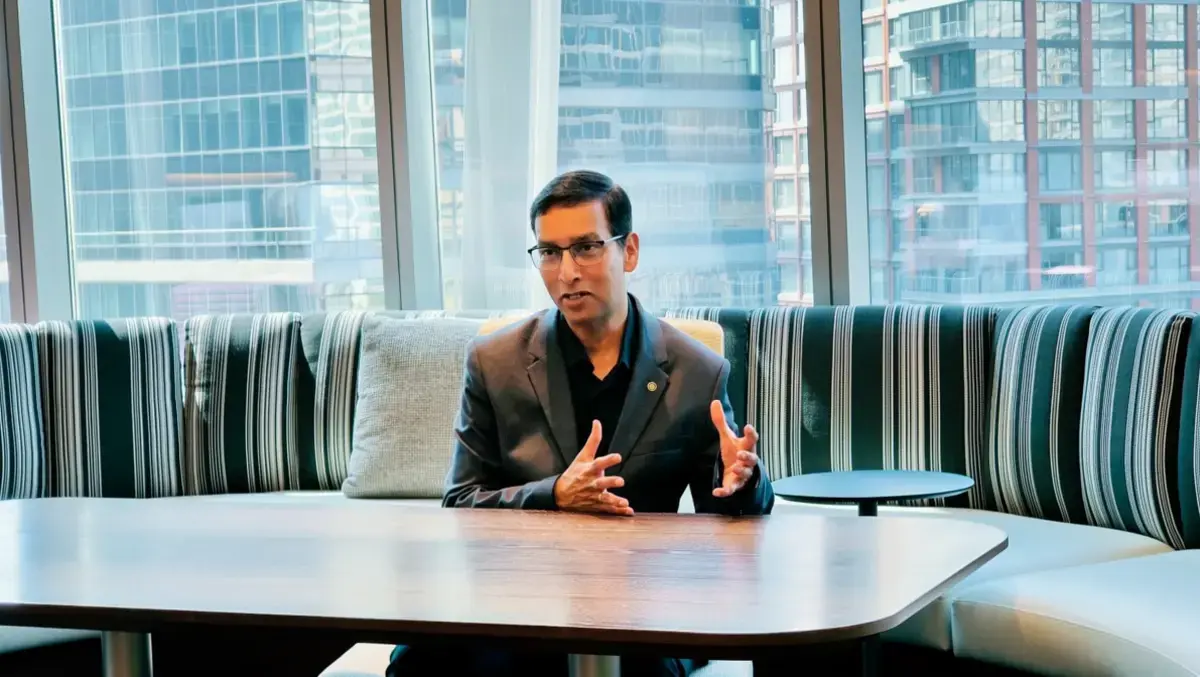
Neel Sundaresan, General Manager of AI and Automation at IBM, outlined the company's view of the market shift.
"The future of enterprise AI will depend on security, governance and sovereignty.
"Organisations need AI that operates inside environments they have control over, especially when working with sensitive code and regulated data. Bob's self-hosted deployment provides a way for enterprises to bring agentic AI directly to those environments so they can benefit from the technology while maintaining security, compliance, and operational control," Sundaresan said.