

MAF Roda NZ automation grads flag careers amid retention pressure
Mon, 4th May 2026
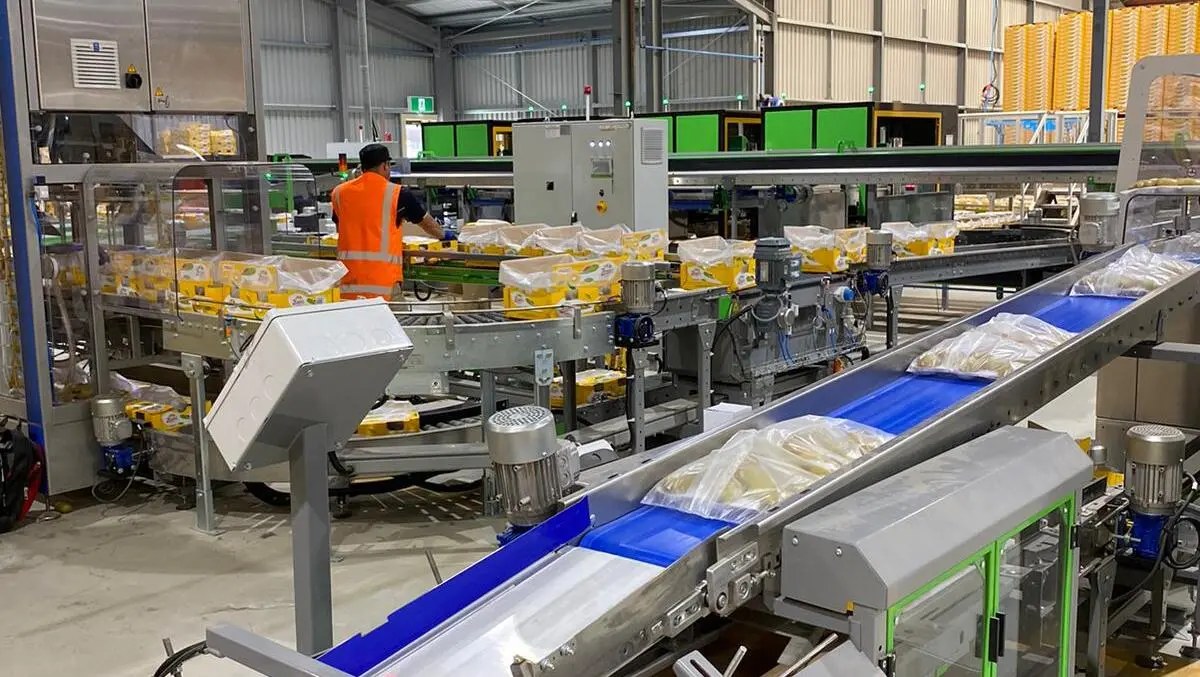
MAF Roda NZ has outlined how its recent automation engineering hires view careers in post-harvest technology, highlighting recruitment and retention pressures in a sector that combines software, robotics and horticulture.
The company gathered views from recently hired automation graduates working on systems used in fruit and vegetable packhouses. Three themes emerged: the need to make career paths more visible, the appeal of responsibility and practical impact, and the challenge of keeping skilled workers in New Zealand.
These views come as agritech employers compete with larger technology firms and overseas markets for software and engineering talent. The roles described by the graduates span programming, machine support, computer vision, optimisation and remote troubleshooting in post-harvest operations.
One recurring issue was awareness. Several graduates said they had little idea of the scale or technical depth of the packhouse sector before entering it through seasonal work or study in robotics, embedded systems and computer science.
"I turn inert pieces of machinery into functional robots that increase efficiency for packhouses and solve any problems that arise from running them day and night. Computer science at school sparked my interest, including the problem-solving and logic needed to understand how technology works. I worked in a cherry packhouse during my university breaks and had a lot of fun working with many people while getting to tinker with machines," said a recently hired automation graduate at MAF Roda NZ.
"Working as an operator gave me an appreciation for this sector. I would never have been aware of the technology used because it is always hidden away in a shed. Automation, computer vision, optimisation and data processing are just a few of the things you get to work with and make critical decisions about."
Another graduate described a job that changes with the produce season. Pre-season work centres on testing and debugging newly installed machinery. In-season work involves fixing breakdowns and adapting systems to client needs. Once the season ends, the focus shifts to programming.
"Before any produce packing season, it is mostly testing and debugging newly installed machines. During the season it is mostly fixing breakdowns and solving packhouse issues with gear, whether that means adjusting it to their liking or changing logic to fit their needs. Post-season, it's lots of programming, taking electrical drawings and translating them into program logic. I worked in a packhouse during high school as a part-time job. My robotics and embedded systems courses drove me towards automation," the graduate said.
Remote support also featured in the accounts. Engineers can connect to live programs and client systems from Tauranga to help packhouses elsewhere in the country, giving the role a wider operational reach than some might expect from a horticulture job.
"MAF machines are set up so staff can remote into live programs and clients' computers to help solve problems. Being able to help packhouses in Nelson or Auckland from my desk in Tauranga is awesome. I have been wowed by the sheer quantities of produce processed in packhouses. I had no idea how large the industry was, so getting a better understanding of how much stress the gear is put through really surprised me," another graduate said.
Practical appeal
The graduates also pointed to the attraction of working on physical systems rather than purely digital products. The ability to see code change how machinery performs gives the work a direct and measurable quality.
"I really like that I am working on physical systems. Being able to write a program, download it to a machine and watch it work is something I really value, versus a general software job where it's much harder to quantify what you're doing. When you improve a section of code, you can watch the machine work faster and more efficiently. I find that really rewarding," one graduate said.
That sense of tangible impact was echoed by another engineer, who described moving from programming machines that did not yet exist to seeing them operate in real conditions.
"Working on new and innovative technology is very rewarding. Getting exposed to every aspect of the process means there is always something new to learn. Going from programming non-existent machines for months to seeing it work in real life was my wow moment. It was very rewarding to see my work paying off," the graduate said.
Responsibility was another draw. Some said they were surprised by how much decision-making authority they had compared with peers in larger organisations.
"I am surprised by how much responsibility and freedom I am given. My peers in larger companies are often supporting and never getting to make final decisions. I get to make decisions that will become permanent features in packhouses," one graduate said.
Another argued that the sector remains under-promoted despite offering a range of technical work and stable employment.
"This sector is less advertised, but with amazing job security and every company constantly innovating new tech, there are opportunities for people who want to do R&D, practical roles, software roles and roles that mix all of these," the graduate said.
Retention challenge
Alongside recruitment, the graduates raised concerns about whether New Zealand is doing enough to retain young engineers. Their comments focused on pay, career progression, public understanding of food and fibre work, and incentives for employers to train graduates.
"Building a better reputation for the food and fibre sector and increasing public knowledge of it would generate more interest in working in this industry and bring it closer to overseas competitors. It may also help retain graduates in the country," one graduate said.
Another pointed more directly to the economic pull of leaving New Zealand.
"New Zealand has an opportunity to better nurture and retain young talent. There are currently few incentives for companies to hire and train graduates, or for graduates to stay and develop in New Zealand. Going overseas will almost guarantee more pay and better options for upward mobility in companies," the graduate said.
One graduate said work undertaken in New Zealand can influence operations elsewhere through the company's links with its French head office and local packhouses.
"MAF NZ is constantly working with the global head office in France and with packhouses to advance technology in the fresh produce sector. New ideas can then be applied to other sectors around the world. Some of the packhouse management software designed in New Zealand is now being used in many packhouses globally," the graduate said.
"New Zealand could be a global test bed for post-harvest automation. The kiwifruit industry in New Zealand seems to be becoming a blueprint for automating packhouses in many industries. A packhouse in 2035 will have much more advanced camera grading and predictions around how fruit will store and ripen, helping ensure customers get the perfect kiwifruit."