

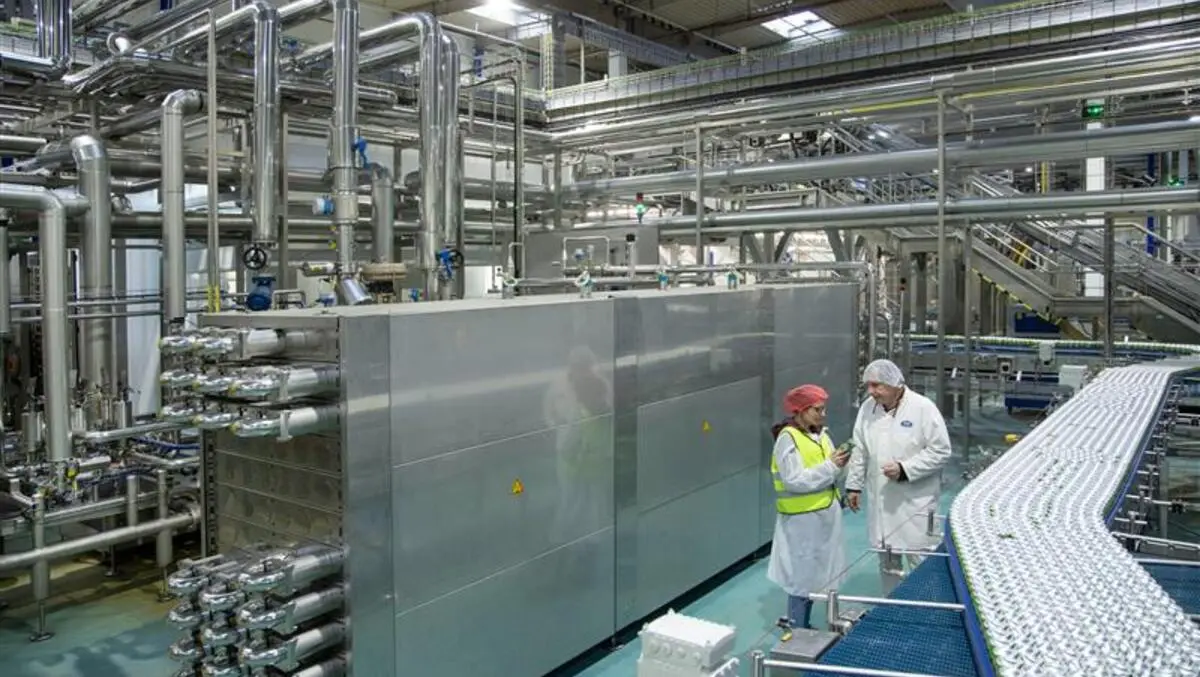

Purearth Foods has adopted a software-led, fully managed Uninterruptible Power Supply system in partnership with Schneider Electric, in what the companies say is a first for the beverage manufacturing sector in Australia and New Zealand.
The deployment uses Schneider Electric's Secure Power as a Service model. This model treats secure power as an ongoing service rather than a one-off equipment purchase.
Purearth Foods produces beverages in an energy-intensive environment. The company relies on continuous power for production lines and cold-chain processes.
Under the new arrangement Schneider Electric owns and manages the UPS infrastructure. Purearth Foods pays through an operating expenditure model instead of an upfront capital investment.
Schneider Electric uses digital monitoring tools in the service. The company also provides predictive maintenance and lifecycle management.
Purearth Foods' management team sought an alternative as existing UPS assets approached end of service life. The previous systems required internal maintenance and periodic replacement decisions.
Schneider Electric conducted a technical review of the manufacturer's power needs. The review covered resilience requirements, cash flow constraints, and long-term production plans.
The review led to the choice of the Secure Power as a Service model. Schneider Electric now oversees monitoring, maintenance, and replacement of the UPS units.
The arrangement shifts operational responsibility to Schneider Electric specialists. Purearth Foods' internal teams now concentrate on production tasks rather than power infrastructure management.
The service includes remote digital monitoring of UPS performance. Schneider Electric engineers use data from the systems to identify faults and potential failures in advance.
This approach supports a move away from reactive maintenance. Maintenance schedules now draw on predictive analytics and condition-based assessments.
Schneider Electric also manages the lifecycle of UPS hardware. This includes planning upgrades and replacements as technology and capacity needs change.
Purearth Foods reports improved uptime under the model. The company also reports a reduction in operational burden on its maintenance staff.
Management expects the service model to smooth cash flow. The company treats secure power as a recurring operating cost instead of committing large sums for new equipment.
The infrastructure is designed to scale with production growth. Purearth Foods can add or adjust UPS units as its manufacturing footprint changes.
Schneider Electric positions the project as a reference case for other energy-intensive industries. These sectors often operate with tight margins and high demands on reliability.
The beverage industry in Australia and New Zealand faces rising energy costs and heightened scrutiny of supply chain stability. Manufacturers also face pressure to manage waste and improve energy efficiency.
Purearth Foods links the new UPS model with these broader industry pressures. The company sees benefits in resilience, cash flow management, and sustainability outcomes.
Simon Cousins, Maintenance Manager at Purearth Foods, said the shift already influences how the company manages its operations.
"Partnering with Schneider Electric has enabled us to modernise our critical power infrastructure sustainably while staying focused on our core operations," said Simon Cousins, Maintenance Manager at Purearth Foods. "The SPaaS solution was chosen for its flexibility, operational benefits, and alignment with our focus on production efficiency. Having Schneider manage our UPS systems gives us confidence in uptime, reliability, and efficiency across our production lines."
The arrangement also affects the balance between internal and external expertise. Purearth Foods now relies more heavily on Schneider Electric engineers for critical power decisions.
The Secure Power as a Service model bundles hardware, software, and services into one contract. It replaces separate procurement, installation, and maintenance agreements.
Customers under this model avoid owning the UPS assets on their balance sheet. Schneider Electric takes on the capital risk and equipment obsolescence risk.
The Purearth Foods deployment shows how this approach can operate in a live production environment. The company continues day-to-day beverage manufacturing while Schneider Electric runs the power layer in the background.
The service framework supports incremental upgrades over time. Schneider Electric can introduce newer UPS units or updated software without major disruption to operations.
Sector implications
The project draws attention from other beverage and food manufacturers in the region. Many operate with ageing power infrastructure and limited capital for modernisation.
Secure power is a significant issue for bottling plants and processing facilities. Any outage can interrupt production schedules and affect product quality.
Digital monitoring and predictive maintenance are gaining traction in industrial sites. Companies use these tools as part of broader efforts around Industry 4.0 and smart factories.
Schneider Electric sees the Purearth Foods deployment as an example of this trend. The company links software, data, and field service teams in one structure.
Segaran Narayanan, Vice President, Services & Safety at Schneider Electric, described the significance of the roll-out in beverage manufacturing.
"This deployment shows how we can apply smart, service-led infrastructure in highly demanding production environments like beverage manufacturing," said Segaran Narayanan, Vice President, Services & Safety, Schneider Electric. "By combining technology, data, and tailored service delivery, we're helping our partners like Purearth Foods shift from reactive maintenance to long-term operational resilience with sustainability built in from the start."
Schneider Electric plans to position similar offerings across other energy-intensive sectors in Australia and New Zealand. The company expects more manufacturers to consider service-based power models as they refresh ageing infrastructure and adjust investment strategies.