Qodo 2.0 debuts multi-agent AI code review upgrade
Fri, 6th Feb 2026.webp)
Qodo has released version 2.0 of its AI code review platform, adding a multi-agent review system and deeper use of repository context as organisations expand AI-assisted software development.
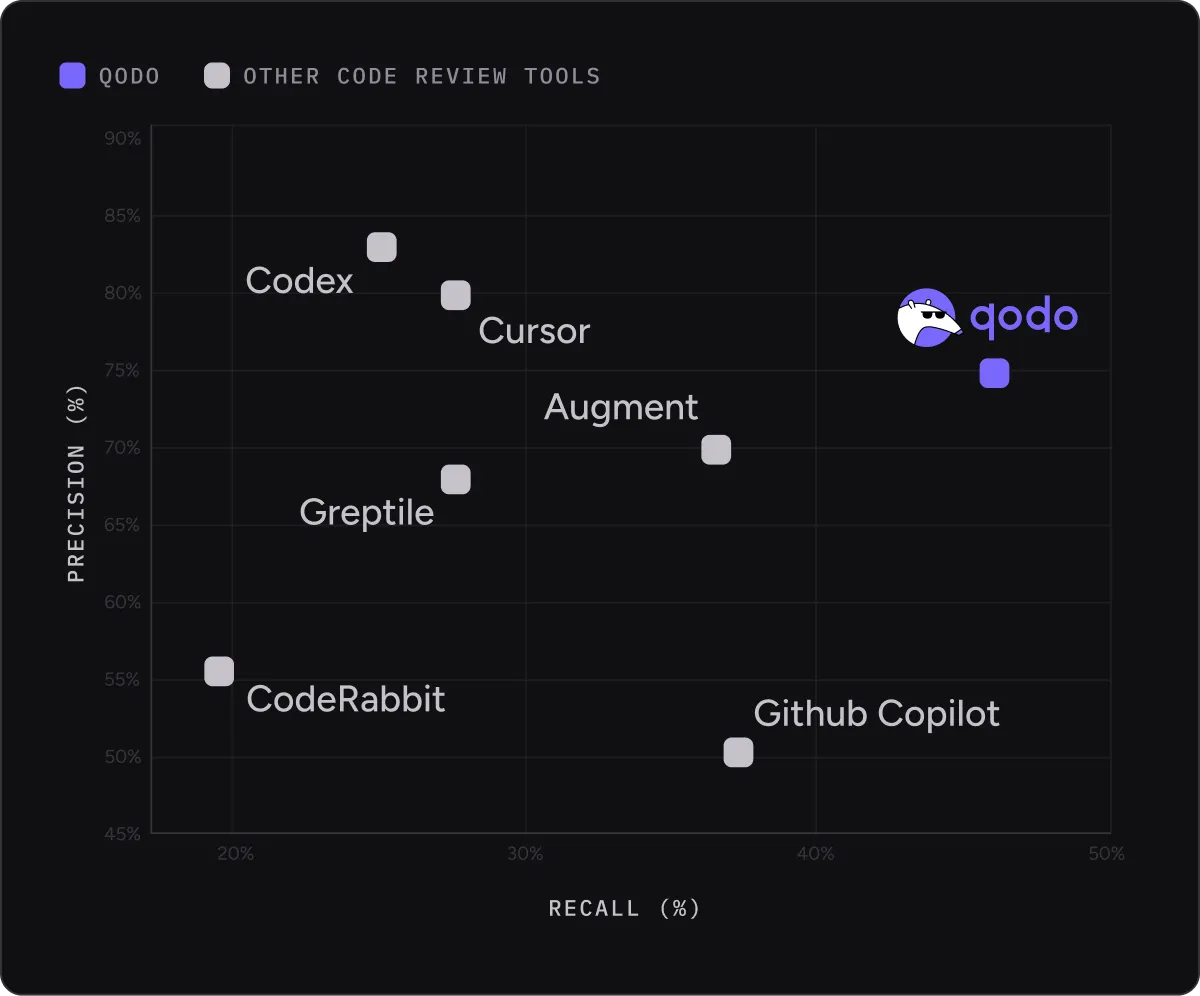
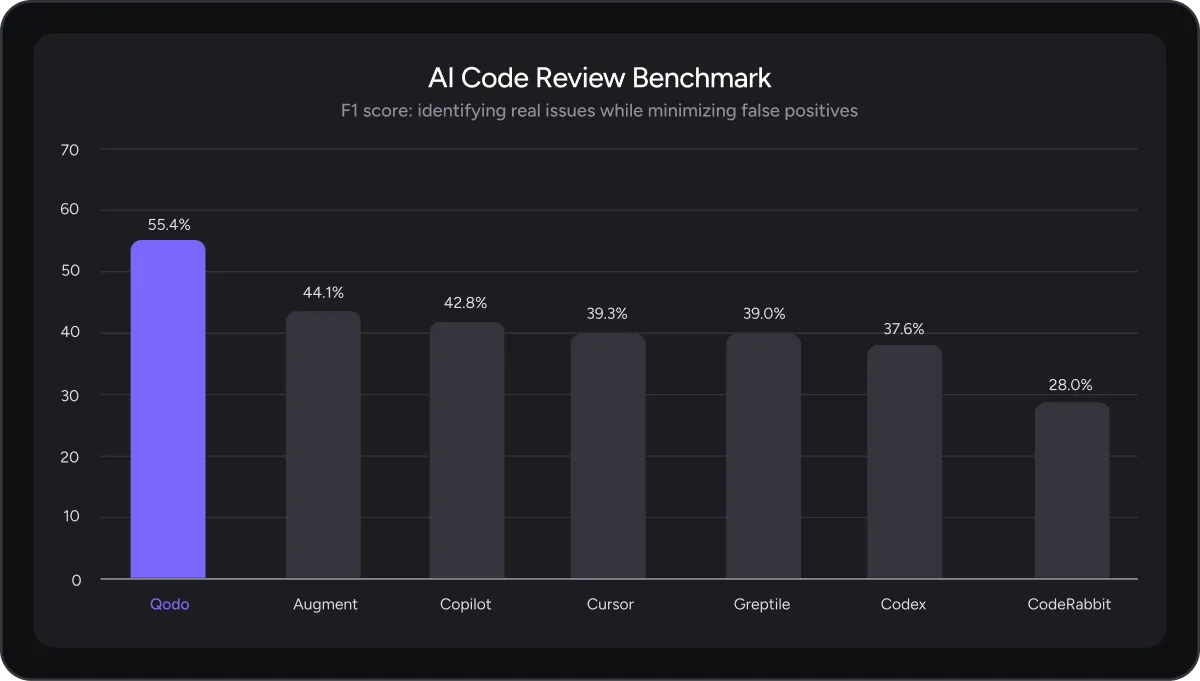
Qodo positions the product as a way for engineering teams to scrutinise AI-generated code for quality, compliance, and consistency before it reaches production. It also published benchmark results claiming an 11% improvement over other AI code review tools, with the highest precision and recall for identifying critical issues and rule violations.
AI code assistants have become routine in many organisations, but confidence in their output remains uneven. Gartner projects that by 2028, 90% of enterprise software engineers will use AI code assistants, up from less than 14% in 2024.
Qodo cited findings from its State of AI Code Quality report: 46% of developers actively distrust the accuracy of AI-generated code, and 60% of those using AI to write, test, or review code say tools often miss critical context.
Multi-agent review
The main change in Qodo 2.0 is a multi-agent architecture. Instead of relying on a single model to perform a full review, the system splits the review into tasks handled by multiple specialist agents.
Each agent draws on what Qodo calls advanced context engineering, pulling information from across a codebase as well as past pull requests and prior review decisions. The goal is to reduce low-value alerts and deliver more relevant findings.
Many engineering teams have reported frustration with early AI review tools that generate long lists of suggestions with limited prioritisation. In practice, reviewers can spend time separating trivial observations from genuine risks, slowing decisions and making standards harder to enforce across teams.
Qodo says the product is designed for organisations facing higher volumes of code changes as AI-assisted development scales, and frames the release as a response to concerns about maintaining governance and consistency as code creation accelerates.
Itamar Friedman, Qodo's CEO and co-founder, said trust remains the main barrier to enterprise adoption of AI-generated code in production systems.
"AI speed doesn't matter if you can't trust what you're shipping," Friedman said.
Benchmark claims
Alongside the release, Qodo published results from a benchmark it developed for AI code review. The test evaluates tools on their ability to identify critical issues and rule violations in pull requests.
The benchmark uses pull requests from active open source repositories and includes injected bugs described as real-world issues. Qodo says the results show Qodo 2.0 achieved the highest precision and recall among the tools assessed, outperforming alternatives by 11%.
Qodo did not list all evaluated tools in the release materials, but says it has published additional details on the methodology, evaluated tools, and results.
Benchmarks have become a common way for AI software vendors to differentiate products in a crowded market. For engineering leaders, precision and recall claims can be hard to validate without access to datasets, evaluation harnesses, and comparable configurations of competing systems. Even so, many buyers rely on these metrics during early-stage vendor selection before moving to trials against internal repositories and security policies.
Customer usage
Qodo says organisations including Monday.com and Box are using Qodo 2.0 for AI-assisted development workflows, and that the product is available immediately.
The release comes as companies expand guardrails around software delivery, particularly where AI-generated code could introduce security flaws, licensing issues, or failures to meet internal engineering standards. In large development organisations, code review also serves as a record of decision-making, which can be important for audits and incident response.
Qodo was founded in 2018 and has raised USD $50 million, according to the company. Investors include TLV Partners, Vine Ventures, Susa Ventures, and Square Peg, as well as angel investors it describes as including executives from OpenAI, Shopify, and Snyk.
Friedman said Qodo focuses on catching material issues rather than producing broad feedback with limited context.
"Enterprises need AI code review that verifies quality and catches actual problems, not generalist models that flag everything and don't have enough context to make findings relevant and actionable. Qodo 2.0 bridges this gap, setting a new standard for how enterprises build with AI," Friedman said.