

The overlooked remedy for uncertainty? Go back to learning, says education pioneer academyEX
Thu, 5th Nov 2026 (Today)
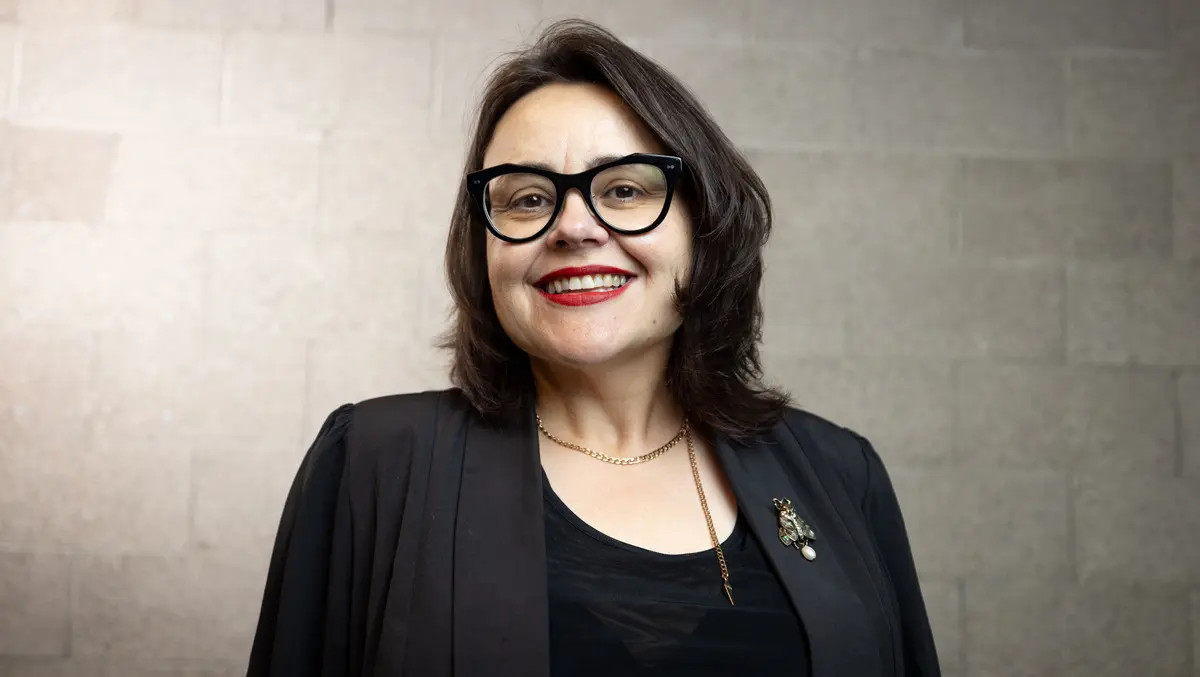
As New Zealanders navigate economic insecurity, rapid AI-driven change and an increasingly unpredictable workplace, academyEX's Chief Experience Officer Perrin Rowland says one of the most powerful tools for building confidence and resilience is hiding in plain sight: education.
"We've normalised physical exercise as a lifelong habit and we're increasingly comfortable seeking support for our mental wellbeing - yet learning is still something many people associate with the first 20 or so years of life," comments Rowland.
She believes it's time to rethink that relationship. "We've been conditioned to think education is something we complete before entering the workforce, but in a world where technology, careers and industries are constantly changing, the ability to keep learning is one of the most important things we can do for our confidence, wellbeing and future opportunities," says Rowland.
And international research suggests there's considerable room for improvement. A report from the United Nations' International Labour Organisation (ILO) found that just 16% of people aged 15–64 globally had participated in formal or non-formal education and training during the previous 12 months. Meanwhile, UNESCO's Fifth Global Report on Adult Learning and Education (2022) found that 23% of countries reporting participation-rate data had fewer than 1% of people aged 15 and over participating in adult education programmes. Additionally, 24% of countries reported declining participation among older adults.
For Rowland, the figures reinforce a simple message: learning needs to become normal adult behaviour, not something reserved for the beginning of our lives.
A perfect storm of uncertainty
Rowland says economic pressures, job insecurity, technological disruption and sociopolitical change are converging at a time when up to five generations are working alongside one another.
"For many people, the question isn't simply whether their job will exist in five years. It's whether they'll have the skills and confidence to navigate whatever comes next.
"We can't control the economy, political change or how quickly AI develops. But we can control our willingness to learn. That's an incredibly powerful place to start," says Rowland.
She believes education should be recognised not only as a pathway to employment and economic progress, but as a practical way to build confidence, connection and the ability to adapt.
Learning is about more than employability
Rowland argues that education's contribution to personal wellbeing is frequently overlooked because learning is so often discussed in terms of qualifications, salaries and career advancement. Those outcomes matter, but underneath them is something bigger: being part of economic and social progress, and mattering in the world. She believes the wellbeing effects reach just as far. "Gaining confidence through capability is huge. So is the buzz you get from learning and mastering something new, and from being able to talk about something interesting. We underestimate that. There's something enormously reassuring about proving to yourself that you can learn. You move from feeling that change is happening to you, to recognising that you have some ability to influence how you respond. That doesn't have to start with a degree. It might begin with one class, one new skill or simply being surrounded by people who are also figuring out what comes next. And maybe that's why people go on to contribute so much to the world around them. When people educate themselves, they pay it forward. That's the most amazing thing about it," she comments. The opportunity to keep learning is particularly important for older workers, with UNESCO's research highlighting the challenge of maintaining access to learning throughout working life and beyond.
Rowland says too many people are waiting for their employer to tell them which skills they need, a risky approach in the age of AI. "Most institutions don't know yet themselves. When they are ready to move, they'll look for people who are already on the change train. Waiting to be told what you need to know could now do you a disservice. Being able to show how you use these tools and think them through will be your competitive edge. Learning needs to become something we do because we're adults, not just because we're students," she adds.
The power of learning together
She adds that the benefits of adult education can be as much about the people learners meet as the subject they're studying. "There's something powerful about walking into a room and discovering you're not the only person feeling uncertain about the future. You're surrounded by people from different industries, backgrounds and generations who are also navigating change. They bring different experiences, but they're asking many of the same questions. That shared experience can turn uncertainty into curiosity and isolation into connection," says Rowland.
She believes the social dimension of education is particularly important as traditional career pathways become less predictable. Learning shouldn't feel like another obligation on an already overwhelming to-do list. It should be a place where you can experiment, ask questions, build confidence and develop relationships with people who challenge and support your thinking.
"Sometimes the most valuable thing you leave with isn't just a new skill. It's the knowledge that you don't have to navigate change alone," she adds.
Start small, but start
Rowland says one of the biggest misconceptions about returning to education is that it requires a major commitment of time, money or a complete career change. Instead, she encourages New Zealanders to approach learning the way they might approach physical fitness: begin with something achievable and build from there.
Her advice is to:
-
Identify one thing you're curious about. It doesn't need to relate directly to your job.
-
Match the learning to the size of the change. A new skill might take one short course. A new direction takes a major qualification, with the depth, credibility and network to carry you there.
-
Learn alongside other people. Find a community where you can exchange ideas and experiences.
-
Put your learning into practice. Applying one new idea can create confidence and momentum.
-
Don't wait for permission. Take ownership of your development before change forces your hand.
Rowland believes the challenge is no longer simply preparing young people for the future, but ensuring adults of every generation feel equipped to participate in it.
"We don't stop exercising because we've reached adulthood, and we shouldn't stop learning either. The world isn't going to become more predictable, but we can become more confident in our ability to navigate it.
"Education isn't just preparation for life. It should be a normal part of living it," she concludes.