Analyst report stories
Many firms still cannot stop AI agents from causing damage before execution, leaving systems exposed to production outages and data loss.
Widening AI use across office teams is leaving many firms exposed to security and governance risks, the company says.
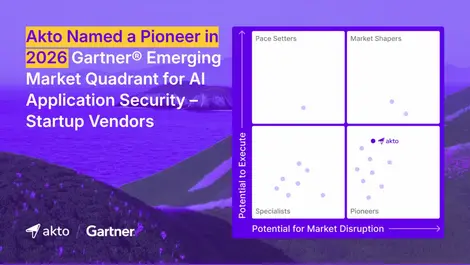
The recognition comes as nearly 92% of Asia Pacific enterprises say data governance and compliance have delayed or cancelled AI projects.
With Fortune 500 firms expected to deploy vast armies of agents, the alliance aims to curb access risks as AI tools spread across business systems.
Enterprises could cut AI ingestion errors and token costs as the new tool keeps sensitive documents on premises or in a chosen cloud.
Enterprises are seeking stronger controls as use of generative AI and autonomous agents widens across both internal tools and customer products.
Rising cyber budgets are failing to curb APAC losses, as Asahi's outage showed the real cost is business disruption, not breach headlines.
Australian organisations are facing rising AI security incidents, and the new tool aims to close governance gaps as agents spread across systems.
F5's recognition comes as enterprises scramble to secure AI agents and APIs, with 88 per cent reporting AI security challenges, its research found.
A widening blind spot in machine access is pushing security teams to rethink identity controls as AI agents and bots gain privileges.
Pressure on overstretched security teams is driving Thrive to add Elastic and Cato Networks to its NextGen platform, widening detection and access controls.
AI adoption is pushing organisations to store far more data, with most now reactivating archives and prioritising cheaper long-term storage.
The rankings underline a shift towards consolidated automation platforms as enterprises juggle AI agents, bots and regulated workflows.
APAC security teams can cut AI bills sharply by filtering routine cases before they reach costly frontier models, without weakening defences.
Software supply chain weaknesses are becoming the main entry point for attackers as development pipelines expand without enough oversight.
The recognition could boost Dayforce's appeal as employers seek software to control labour costs, staffing and compliance across dispersed workforces.
It targets companies that have outgrown pilots, offering one accountable partner to scale AI safely across operations and modernise systems.
Most AI projects stall because firms lack the standards and monitoring needed to keep models trustworthy, auditable and scalable in production.
The ranking reflects growing buyer demand for integrated EHS systems that link worker safety, chemicals oversight and operational risk in one platform.
Businesses struggling to turn AI pilots into measurable returns are the target of HCLTech Pulse, aimed at mid-market firms with complex tech needs.