Capex stories
Falling corporate suites and memberships are leaving Wellington's regional stadium unable to fund a GBP £42 million maintenance programme itself.
Cash generation turned positive for the first time since listing as annual revenue climbed 7.2% to €1,145.1 million, beating targets.
Mining operators could get tighter control of power and production under a new collaboration aimed at cutting costs and emissions at large sites.
Heavy industry sites can free up cash by tackling slow, obsolete spares that inflate inventory and distort balance sheets.
AI-related demand is set to boost HPE's networking growth, with the company now forecasting higher margins and USD $800 million in Juniper savings by 2028.
Rising logistics, property and construction costs are leaving Australian companies wary of expansion as Christmas trading prospects soften.
The move targets a USD $260 billion market as owners seek one partner to cut delays, overruns and accountability gaps on major projects.
The seven-year pact gives Akamai a major anchor customer but also forces billions in upfront spending to secure AI cloud capacity.
Anthropic's seven-year commitment could lift Akamai's cloud revenue to USD $20 billion, underscoring surging demand for AI infrastructure.
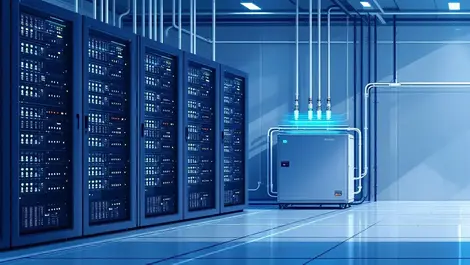
Data centre operators can now mix air and liquid cooling in one unit as AI workloads push rack densities higher across facilities.
Companies are treating AI like a recurring operating cost, with monthly business spending up 406% and average outlay far above retail users.
Operators want to avoid costly 6G roll-outs, with NGMN saying any migration path must minimise hardware changes and complexity.
Telecoms operators are using the software to cut outages, alarm noise and order failures after live trials expanded across five continents.
Almost all firms are storing more because of AI, as archived data is being pulled back into use and storage costs climb.
Australian firms could be losing value and facing security risks as idle decommissioned devices wipe away recovery value and add labour costs.
The new features aim to help engineering chiefs prove whether AI coding tools are lifting delivery, quality and spend returns.
The deal gives retailers more ways to fund warehouse automation as THG Fulfil adds outright purchase to its AutoStore offer.
Developers could secure on-site electricity without upfront power costs, as AVK Capital and Partners Group target data centre projects facing grid delays.
The guidance could help buyers avoid costly repairs, as undercarriage wear, hydraulic faults and hidden damage can quickly erode savings.
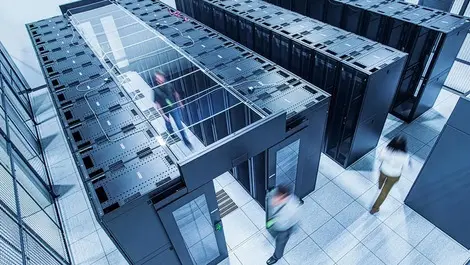
Vacancy is tightening as cloud and artificial intelligence demand drives a projected USD $110 billion build-out across India by 2029.