Copyright stories
Calls for tighter AI safeguards have intensified after warnings the technology could outpace human control and threaten jobs, security and markets.
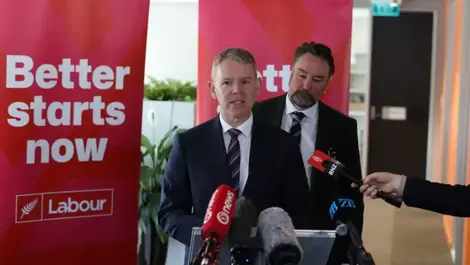
Public anxiety over jobs, power bills and harmful content is pushing AI to the centre of New Zealand's election campaign.
The plan would give New Zealand a dedicated AI office and tougher copyright protections, aiming to curb risks and share gains with workers.
AI teams could cut days from video data preparation as Versos' new agents match natural-language requests to licensed footage and keep provenance attached.
Onboarding large catalogues now takes days rather than weeks, as the platform can ingest up to 20 million tracks a day after its AWS overhaul.
The music licensing company's latest hires are aimed at broadening customer coverage in the U.K., Europe and the U.S. after its Megatrax deal.
More than 15,000 brands are now covered as the marketplace steps up pre-listing checks to curb counterfeit sales and cut complaint times.
The move could strengthen publishers' hand in licensing talks by showing when AI systems retrieve, cite or reuse their journalism.
Australia's AI rules may decide whether businesses gain protection without extra red tape that slows deployment and pushes investment offshore.
The chart ban could force labels and broadcasters to disclose AI use, as Australia tests how far synthetic music can compete with human artists.
Many UK small firms are exposed to copyright and confidentiality claims online, with fewer than two in five carrying insurance cover.
Gamers face higher prices and less secure ownership as Sony and Microsoft move towards digital-only releases by 2028.
Publishers may be pushed towards licensing deals and micro-payments as AI crawlers consume content without sending traffic back.
Australian publishers face a fresh revenue squeeze unless paid licensing agreements are struck with AI firms using journalism to train their LLMs.
New AI rules could reshape data centre investment and copyright battles, but Labor must still turn Anthony Albanese's promises into action.
Industry experts say Australia's new Office of AI must quickly turn policy into practical governance as AI adoption accelerates.
Executives said clearer rules could speed adoption, ease copyright disputes and help Australia turn AI into a commercial edge in mining and retail.
Backing from a major tech investor strengthens Canberra's push for central AI rules as businesses seek clarity and Australians weigh safeguards.
New oversight is set to shape AI rules, but businesses say success will hinge on practical guidance, skills and sustained investment.
The free service could broaden access to poetry-based support, using AI to guide users to human-read poems matched to their mood.