Digital divide stories
Generative AI and scams are making many rangatahi doubt what they see online, even as reliable internet remains vital for school, work and services.
Only 15% of New Zealand businesses have an AI strategy, leaving most unable to measure returns or prepare for the next wave of tools.
Residents can now pay rates, borrow books and book free meeting rooms in Tokoroa's revamped $2 million community hub.
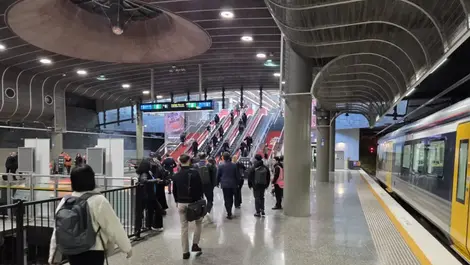
Auckland commuters are already seeing faster trips and more footfall for nearby shops, though some businesses are holding off on extra staffing.
The rollout could spare non-smartphone users from being left behind, while privacy safeguards and encrypted storage aim to keep hackers out.
Billions still offline and fraud on the rise as the GSMA pushes for 5G returns, cheaper handsets and global 6G standards.
Charities across Australia and New Zealand will get help modernising systems, protecting data and improving services through TCS's Tech4HOPE scheme.
Billions already within coverage risk missing AI-era services as entry-level smartphones become less affordable in low-income markets.
Rising broadband demand is pushing carriers towards 10 Gbps upgrades, as Eltex's new terminals let them reuse existing fibre instead of rebuilding networks.
More than 1,000 discarded devices were diverted from landfill as the company expanded donations to community groups and digital inclusion projects.
Up to 200,000 Irish premises could still miss full-fibre access unless ministers back targeted funding in Budget 2027, SIRO warned.
People without compatible phones, English fluency or safe access to devices risk missing vital instructions when emergencies strike.
More than four in five US households pay around USD $100 a month, making mobile service one of the country's biggest recurring bills.
Businesses in Irish parks could gain faster, more reliable links as SIRO says poor connectivity is slowing productivity and cloud use.
More than 1,000 disadvantaged girls in Thailand will gain free access to university prep tools as the school cuts teacher workload.
Millions of unused phones and laptops could be redirected to people without kit as the telecoms group backs local reuse schemes until 2030.
Rural broadband could get a boost as the Aberdeen-area test examines whether shared 6 GHz spectrum can lift capacity without disruption.
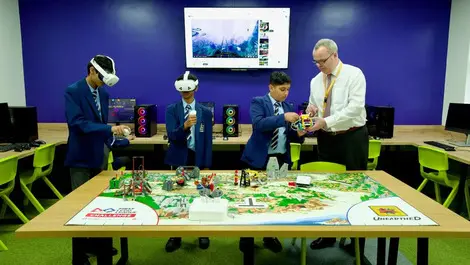
Teachers' lack of AI confidence is fuelling a push for wider digital training, after Stephen Norbury won a national education award for whole-school use.
Pressure is mounting on operators to add 5G sites faster, and the tie-up offers a fibre-like route around delays in Indonesia.
Australia could miss the productivity gains from artificial intelligence unless small firms get more practical support to use it across their operations.
















.webp)