Enterprise security stories
Senior security leaders are increasingly focused on how AI vendors handle sensitive data, as adoption in security operations becomes routine.
Organisations still miss most stealthy intrusions after logins, as Picus found only 14% of simulated attacks triggered alerts and exfiltration defence was 7%.
Multi-cloud security teams face different risks on AWS, Azure and Google Cloud, with misconfigurations high across all three providers.
Enterprises under pressure to speed incident response are shifting to AI-led managed security services as CrowdStrike tops IDC's latest MDR assessment.
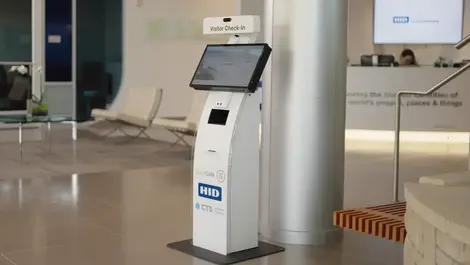
Visitors at large sites may face tighter identity checks as the new kiosk links document scanning, face matching and badge issuance in one step.
Organisations preparing October training will get new materials on phishing, deepfakes and reporting from a free package aimed at staff awareness.
Approved defenders will gain broader access to cyber tools as the new tiered Daybreak programme adds GPT-5.6-Cyber for advanced security work.
By blocking stolen-logins abuse at file level, the new feature aims to curb both data theft and ransomware even after an account is compromised.
The preview could help GKE users enforce cluster-wide security without clashing with namespace rules, especially in multi-tenant environments.
Demand is rising for auditable identity checks and document integrity as AI-generated content and tighter rules reshape online trust.
Customers in Australia and New Zealand may now see Liverton Security as a lower-risk supplier after the Wellington firm won CREST ANZ membership.
The tie-up aims to help firms curb access risk as AI agents, bots and contractors increasingly outnumber traditional staff users.
Customers will face narrower disruptions as Google Cloud moves to throttle malicious traffic, isolate risky identities and preserve legitimate usage.
Sensitive credit-card data will be protected in LXMQ's platform as the fintech tests Privaclave AI before a wider consumer launch.
UK CISOs and senior cyber executives will examine resilience, third-party risk and practical AI use at a London cyber security forum.
Cybersecurity experts warn single-person approvals are now vulnerable after an AI agent used fabricated identities to slip malicious code past checks.
Australians risk giving AI agents broad access to emails, calendars and accounts, opening the door to scams and misuse.
As AI and automation spread, organisations face a growing need to track who or what can access data, systems and workflows.
The 18-month pact could boost Blue Cloud's overseas revenue as it expands its US unit's role in AI, security and data-centre services.
Rising use of autonomous AI agents is forcing firms to rethink access controls, as Saviynt and Snowflake target identity risks in business systems.