Ethics stories
New Zealand users are saving hours a week with ChatGPT, as the tool is used for work, budgets, health checks and trip planning.
Skills shortages are leaving New Zealand firms exposed as AI adoption outpaces cyber and governance expertise across key sectors.
A lack of AI policies is leaving many staff afraid to use the tools safely, as 83% worry a mistake could cost them their jobs.
The move gives Australian firms a new external check on AI governance as demand rises for proof that systems are properly controlled.
Half of Irish executives worry AI could affect their jobs, with trust in the technology lagging behind their European peers, a survey found.
UK companies are spending more on AI training and partnerships, yet more than a third still cannot prove its business value.
Transparency is becoming a bigger test for accountants as most clients back AI, but only if firms explain where it is used.
Most finance professionals now use AI, but 93 per cent worry its outputs may be inaccurate or biased, a new survey finds.
Rushed teams are spending hours fixing AI copy, with most marketers saying the technology adds manual work rather than saving time.
His appointment puts a South African at the head of CIMA as the profession grapples with AI, trust and talent shortages.
Client mandates and staff retention are at risk as most professional services firms struggle to turn widespread AI use into daily practice.
Customers will see no change day to day as Pine Services Group adds a long-established Microsoft specialist to widen its Australian ERP footprint.
Privacy safeguards and live translation features are designed to ease consumer concerns as the AUD $799 glasses enter Australia's smart eyewear market.
The higher rating could help Mphasis win business as customers and investors scrutinise environmental, social and governance performance more closely.
Women gained senior roles as fintech grew, but fair hiring and inclusive cultures are needed to stop the sector sliding backwards.
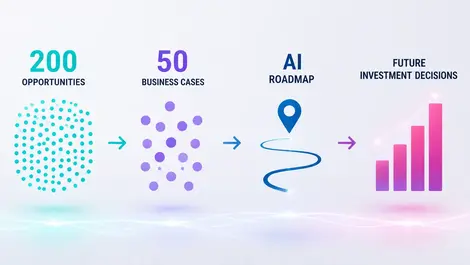
The 24-week review will give Solihull Council an evidence base for AI spending, with hundreds of possible use cases under scrutiny.
Australian publishers face a fresh revenue squeeze unless paid licensing agreements are struck with AI firms using journalism to train their LLMs.
The six-part series explores how artificial intelligence is reshaping grief, love and identity through human stories rather than technical debate.
Regulatory scrutiny is pushing employers to keep people in hiring decisions, as AI takes on admin rather than replacing HR staff.
Law firms could cut friction in transactions as verified property, company and identity data feed directly into Legora's AI workflows.