Fortune 500 stories
As AI agents gain wider access to company systems, Palo Alto Networks is adding controls to curb prompt injection, leaks and excess permissions.
One in three large Asia Pacific enterprises will struggle to govern shadow AI agents as staff-built tools outpace internal controls, Forrester says.
A governance gap could leave large Asia Pacific firms exposed, with Forrester predicting shadow AI agents will outnumber approved ones by 10 to 1.
Enterprise buyers face fresh oversight and credential risks as Outerlimit widens its route to market with a partner scheme for agentic AI security.
The new feature lets organisations block signing or release when vulnerabilities or missing SBOMs breach policy, tightening software supply chain checks.
Users could have prompts, files and API keys stolen as 167 lookalike domains linked to Jev were registered within 13 days of launch.
Gartner says Fortune 500 firms could run 150,000 AI agents by 2028, raising the risk of overprivileged machine identities.
The tie-up will let HR and finance staff move between both systems without resetting permissions, while automating tasks such as compensation reviews and book closes.
The security software company will use the money to expand sales and support as enterprises race to govern AI agents accessing sensitive systems.
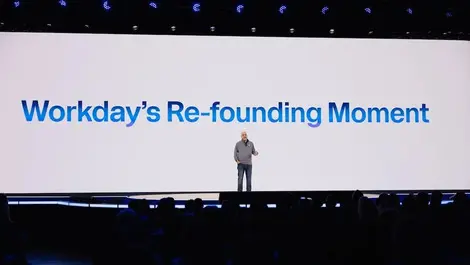
Its AI-first overhaul has cut layers, sped product cycles and left the company betting that startup-style speed can still serve Fortune 500 customers.
Backers are betting that enterprise AI oversight will need sharper tools, as the security software company brings total funding to USD $140 million.
The deal gives Workday a way to tie access controls to hiring and departures, reducing manual oversight as firms deploy AI agents.
AI-related identity risks are driving more organisations to seek tighter access controls as Netwrix turns to partner-led growth under Tony Orlando.
The seed round will help Dreeze expand sales and product work as firms seek faster restoration of cloud applications after outages or cyberattacks.
The hire signals Abnormal AI's push to widen its reach beyond email security and win more enterprise business in the crowded AI security market.
The hire comes as the cyber security startup says revenue has grown more than 100-fold, after raising USD $70 million and winning large enterprise customers.
The ranking bolsters the smaller San Francisco-based lab's pitch to commercial users, as its editor outpaces rivals from Google, Meta and ByteDance.
The independent audit gives customers and partners added assurance that the certificate provider’s security controls span operations in 11 countries and a remote workforce.
It is aimed at large employers seeking clearer returns from AI by linking strategy, training and frontline actions across people and agents.
Fortune 500 firms could lose the only AI setup that keeps sensitive data in-house, as enterprise adoption of open-weight models surges.