Government funding stories
Only NZD $347,000 was left for unexpected costs after Hawke's Bay Regional Council spent a record NZD $75.1 million on capital projects.
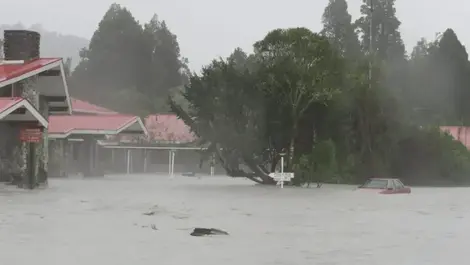
One homeowner is set to be bought out after April's flash floods, as Wellington City Council says the site faces landslip risk from its own land.
The council faces an $8m to $30m bill for urgent flood repairs, with a funding request still awaiting NZTA approval.
Wellington households face mounting pressure as fixing ageing pipes could add more than $80,000 to each ratepayer over 25 years.
A survey of 250 tradespeople found 56% want council fees and slow consenting tackled, as costs and delays are squeezing small builders.
Government funding for Franz Josef is still on hold as Westland District Council begins work on a compulsory master plan three years late.
Funding gaps leave Kaikōura's flood recovery reliant on regional rates, after the council's bid for Government help was knocked back.
The grant will help equip a new Bell Block office for antenatal wānanga that say they are helping reduce suicide risk among new māmā.
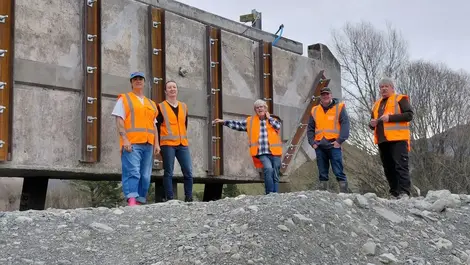
Homes and businesses in Awatoto should be better protected from more common floods after a 3.6km stopbank upgrade got under way.
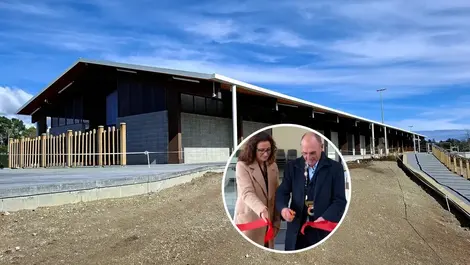
Visitors must wait another two years, even after the long-delayed Rotorua Museum build was finished on time and under budget.
Parked cars are delaying emergency callouts in Masterton, prompting a council bid to extend no-stopping rules outside the ambulance station.
Funding for Taupō's lower fields now gives visiting teams accessible changing rooms, toilets and a dining room ahead of major tournaments.
Falling corporate suites and memberships are leaving Wellington's regional stadium unable to fund a GBP £42 million maintenance programme itself.
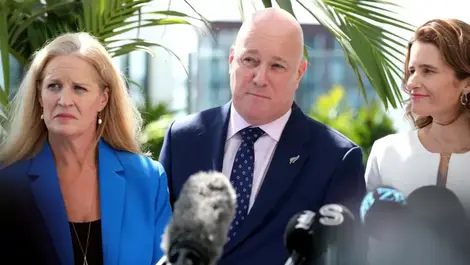
Councils could receive funding from international visitor levy receipts two years earlier under National's plan, with Auckland due NZD $19.1 million.
Councils and ratepayers have been spared steep local bills after NZ Transport Agency kept majority funding for two isolated West Coast roads through 2030.
As attacks increasingly spill across supply chains, policymakers are edging towards treating cyber security as a shared public good, not a private expense.
The shift to enterprise AI has lifted Vection to its first full-year operating cash flow and a stronger pipeline worth more than AUD $10.6 million.
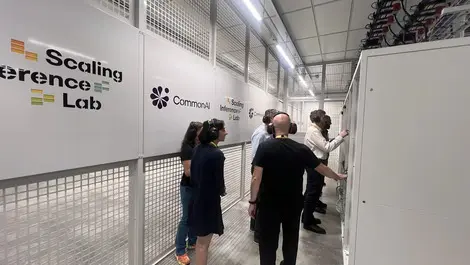
Backed by ARIA, the Harlow campus will host five AI clusters to give UK startups a neutral testbed for rack-scale systems by early 2027.
Queensland's road network stands to gain from A$9 billion in works aimed at easing freight delays, crash risks and flood disruption.
Scottish firms will get support to move from AI trials to day-to-day use, with readiness checks and consultancy aimed at boosting productivity.