Identity verification stories
The pilot aims to let shopping bots prove user eligibility for discounts and benefits while keeping personal data hidden from merchants.
The enlarged group now serves more than 300 enterprise customers and processes over 110 billion digital interactions a year across four regions.
Banks in the Americas are set to get faster fraud checks as the tie-up targets instant payment scams and card-not-present losses.
The launch gives travel and fintech brands a faster route into mobile services, with software that avoids building telecom systems from scratch.
Most fake hires are exposed only after getting system access, leaving companies vulnerable for days and often weeks before a fraud is spotted.
Financial firms accounted for 41.6% of verified mobile activity in the first half of 2026, as numbers became central to banking and account recovery.
Most losses now stem from weak customer and employee awareness, even as banks pour more money into technology and still struggle to keep pace.
It aims to cut repeated verification checks and let businesses trust AI agents without collecting the same personal documents from users each time.
Businesses face rising losses as the new model cuts false positives by more than 80% and adapts scoring as fraud tactics shift.
Most consumers surveyed across six European markets would accept longer bank checks if that meant a lower chance of fraud, Fourthline found.
Businesses can now verify mobile numbers without SMS codes, reducing friction and exposure as regulators tighten rules on text-based authentication.
Unverified AI outputs can quietly drive failed deliveries, compliance noise and customer-record errors across Asia Pacific businesses.
Fraud teams may be better able to link fake accounts as SEON adds more than 1,100 data points across identity, device and session checks.
Despite leading on passkeys and MFA, Indian firms still face widespread AI phishing and deepfake scams that are undermining daily security practice.
Australian firms remain exposed as 43% reported AI-driven phishing attacks in the past year, while many staff still log in with passwords.
Customer service teams may face higher volumes as the standard lets personal AI agents sign in, verify users and act for them.
The move should help FOMO Pay tighten onboarding and fraud checks as it expands across markets with diverging rules and rising scam pressure.
The finding highlights a trust gap that could slow AI adoption in payments, with only 22% of UK consumers willing to use it there.
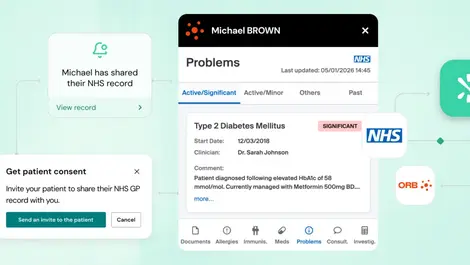
Private clinicians could cut weeks of waiting for GP summaries as consenting patients' NHS records are now viewable in Semble.
Singapore regulators are pressing firms to stop using identity numbers for authentication as leaked telecom records can fuel years of impersonation fraud.