Online Safety stories
Mobile users are most at risk as quishing has surged in New Zealand, with scammers exploiting delivery and parking prompts.
Irish platforms may face fresh pressure to spot grooming earlier as a new system flags suspicious chats before abuse escalates.
Families on Spotify's free, ad-supported tier can now give children under 13 supervised music-only accounts, starting in six markets.
Families get short cyber safety lessons at home as deepfakes, grooming and scams put children and adults at growing risk online.
Rising demand for privacy-first digital triage tools is pushing the Edinburgh firm to expand its sales and customer support teams overseas.
Users risk mistaking agreeable chatbot replies for understanding, as Smudge says commercial AI rewards flattery over accuracy.
CurricuLLM rolls out a school AI monitoring tool in Australia and New Zealand, flagging 21 harm types from academic offloading to personal revelations.
Families risk losing access to online wealth and memories, as experts say only a small minority of UK adults have planned for digital inheritance.
Security teams gain wider visibility as Infoblox folds Axur into a new service that scans 40 million URLs a day for phishing and impersonation.
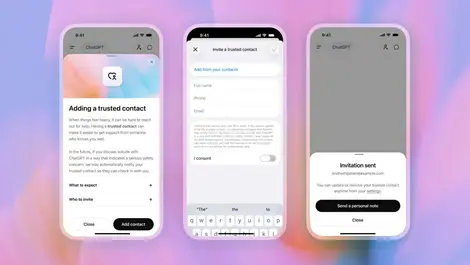
Adults using ChatGPT can now name a trusted contact, giving OpenAI a new way to alert someone in serious self-harm cases.
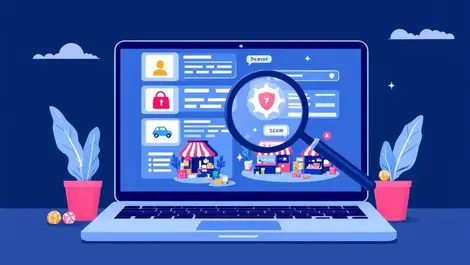
Brands facing counterfeit listings can now automate removals on marketplaces, where fraud is rising and average losses reach USD $10.2 million a year.
Concerns over misinformation and manipulation are creating an opening for eYou, which is now available worldwide on iOS and Android.
Shared UK crime data has helped Google disable nearly 50,000 fraudulent accounts and expose more than 5,000 fake bank websites.
Cautious support from tech leaders hinges on whether Canberra can turn new AI and digital funding into real productivity gains.
The plan aims to keep more low-income families online, while also pushing Virgin Media O2 towards net zero and greater device reuse by 2030.
Businesses face tighter reporting and new rules as ministers move to overhaul cyber security, AI oversight and digital identity regulation.
Despite welcome AI funding, tech leaders say small firms still lack the cyber defences needed to adopt new tools safely.
Australian and New Zealand students borrowed 4.8 million digital books in 2025 as ebooks led and audiobooks gained popularity across schools.
Businesses are being urged to replace password-only logins as stolen credentials still feature in 22% of confirmed breaches.
Researchers found young Scots want simpler digital banking, stronger scam protection and advice that fits milestones such as jobs and rent.















.webp)