Online security stories
New Zealand users risk fake login pages and scam sites after ChatGPT search results were found pointing to unsafe links and downloads.
The recognition may help Fastly win business as firms seek to curb bot traffic, API abuse and fragmented defences across online services.
Financial firms accounted for 41.6% of verified mobile activity in the first half of 2026, as numbers became central to banking and account recovery.
It aims to cut repeated verification checks and let businesses trust AI agents without collecting the same personal documents from users each time.
Millions of blocked phishing and scam attacks have been traced to residential proxy traffic, putting home internet users at risk without realising it.
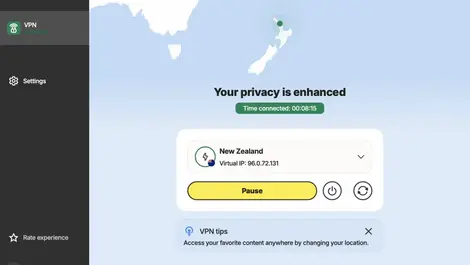
Streaming and everyday privacy get a lift from this easy-to-use VPN, which proved faster than NordVPN in testing and works on TVs too.
New research shows 68% of SMEs now value stability over rapid expansion, prompting Mastercard to add business tools and cyber support.
Growing scrutiny of cryptographic supply chains is pushing maintainers, researchers and regulators into the same room in Prague this year.
Australian users of OpenAI's security programme will now need hardware-backed passkeys, as older sign-in methods are disabled for higher-risk accounts.
Britons aged 25 to 34 are three times as likely as over-65s to fall victim, with social media and AI worsening scams.
Businesses facing a surge in automated abuse could see faster bot blocking as Cloudflare says its system learns from live traffic and updates continuously.
The cybersecurity company is seeking board-level expertise as it expands brand protection services amid rising AI-driven phishing and fraud risks.
Banks could turn trusted identity checks into a new revenue stream as EU rules open the door to wider use of digital credentials.
Hundreds of users could be exposed to fake banking portals built from a low-cost template, as researchers linked 2,200 suspect domains.
Shorter certificate lifespans are forcing Australian and New Zealand businesses to automate renewals or risk outages and security gaps.
Survey results show widespread anxiety in Australia, with 84% expecting AI to drive more cybercrime and many victims still silent.
Irish SMEs will get support to tackle weak website, email and domain settings as cyber risk erodes trust and productivity.
Most Canadians want tighter fraud controls as the new Real-Time Rail could leave less time to block deepfake-driven scams and impersonation.
Fewer Australians can spot property settlement scams, with confidence in identifying them falling to 41% as AI voice fraud worries grow.
Rising scam losses are pushing Australian firms towards stronger payment and login controls as regulators prepare tougher enforcement.