

Study backs wider glucose monitors for type 2 diabetes
Mon, 12th Oct 2026 (Today)
A New Zealand-led study has found that wider use of continuous glucose monitoring could improve outcomes for people with type 2 diabetes on intensive insulin therapy while reducing long-term healthcare costs.
The study was led by Associate Professor Ryan Paul, an endocrinologist at the University of Waikato and Health New Zealand, with researchers from the United States and the United Kingdom. It compared real-time continuous glucose monitoring devices with traditional finger-prick testing for people with type 2 diabetes who require intensive insulin therapy.
The research estimated that people using continuous glucose monitoring would live longer on average and spend more years in better health. The model pointed to fewer complications, including kidney disease, eye disease, and cardiovascular conditions, as well as fewer severe low blood glucose events that can lead to emergency treatment.
People using the technology were expected to gain about three additional months of life on average. The study also found that introducing the devices earlier in treatment would increase the health and economic benefit.
The effect was more marked for Māori, who are more likely to develop type 2 diabetes at a younger age. Earlier diagnosis creates a longer window for intervention to help prevent serious long-term complications.
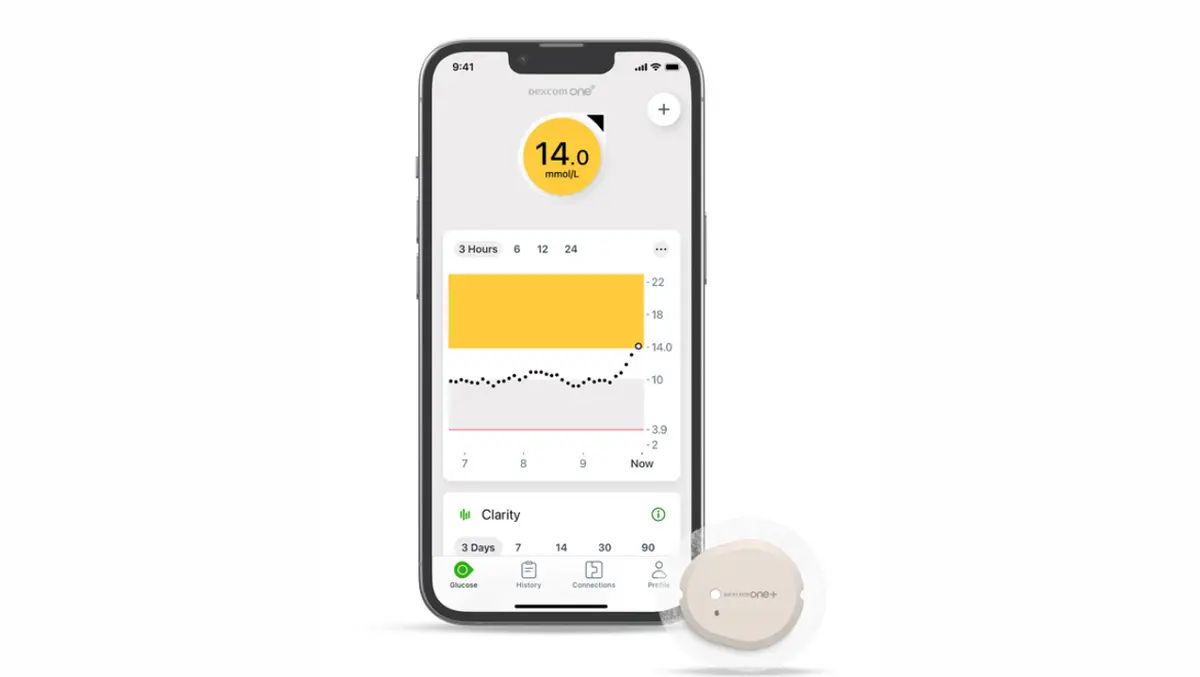
Continuous glucose monitors track glucose levels throughout the day and night and send readings to a smartphone or reader. This lets patients see how food, exercise, and medication affect their glucose levels and adjust their management accordingly.
The findings come as New Zealand faces a rising diabetes burden. More than 348,000 people in the country are living with diabetes, and projections suggest that figure will exceed 500,000 by 2040.
Health system costs are already estimated at more than NZD $2 billion a year and are projected to rise to about NZD $3.5 billion over the next 20 years. Around 20,000 New Zealanders with type 2 diabetes are estimated to be managed with intensive insulin treatment.
Although continuous glucose monitoring is funded in New Zealand for people with type 1 diabetes, it is not yet publicly funded for people with type 2 diabetes on intensive insulin therapy. The study put the device cost at about NZD $2,900 a year, but found the additional lifetime cost per patient was only NZD $5,633 after reduced complications and lower hospital use were taken into account.
The analysis also highlighted the scale of treatment costs linked to advanced complications. Avoiding a single case of end-stage renal disease, it found, could fund the use of a continuous glucose monitor for 37 years.
Equity impact
Paul said the data underlined the burden carried by groups affected by earlier onset of disease and poorer outcomes.
"We are seeing widespread and preventable blindness, kidney failure, amputations, and cardiovascular disease in some of our most vulnerable population groups. These are the long-term consequences of high glucose levels, and once they develop, they are difficult and costly to treat.
"Māori, Pacific, and Indian communities are disproportionately affected by type 2 diabetes and its complications, and we are seeing an earlier onset of disease leading to higher rates of hospitalisation and premature death.
"Using more effective tools such as continuous glucose monitoring early can significantly reduce lifetime complications and deliver the strongest health and economic returns. We have a real opportunity to reduce the burden of diabetes in Aotearoa New Zealand."
He said pressure on the health service would intensify without changes to treatment.
"The number of people living with type 2 diabetes is rising, and without changes to how we manage it, the pressure on the health system will continue to increase.
"This study shows that investing earlier in technology to empower people with type 2 diabetes on intensive insulin therapy, and their healthcare team, to manage diabetes more easily reduces long-term healthcare costs."
Funding debate
Heather Verry, Chief Executive of Diabetes New Zealand, said evidence from other countries was building in favour of wider access to the devices.
"Globally, wider use of continuous glucose monitoring is delivering consistent improvements in outcomes for people living with diabetes.
"It helps people better understand the impact of diet and exercise on their glucose levels, reduces dangerous low blood sugar events, eases pressure on emergency departments, and may help them avoid serious long-term complications.
"Other countries are acting on that evidence by funding access to CGMs for patients, including Japan, France, Germany, Spain, Italy, Canada, and the United States. New Zealand now needs to consider how we keep pace.
"There continues to be a stigma for those living with type 2 diabetes, which is preventing access to better treatment options. Even within the diabetes community, there is a perception that type 2 diabetes is purely a lifestyle condition and that people just need to 'fix' themselves.
"But the reality is far more complex, with many cases driven by genetics, socio-economic factors, and limited access to healthcare.
"We need to move beyond reactive care and give all people living with diabetes the tools to manage their condition effectively."
Verry also drew a comparison with access already available to people with type 1 diabetes in New Zealand.
"Access to publicly funded continuous glucose monitoring has transformed how New Zealanders manage type 1 diabetes day to day.
"People in New Zealand with type 2 diabetes who require insulin have needs similar to those with type 1 diabetes and should have access to better tools to improve their quality of life and management of the condition."