

Verifone launches Kiwi Access age checks on terminals
Wed, 18th Nov 2026 (Today)
Verifone has launched support for New Zealand's Kiwi Access digital proof-of-age credential on its payment terminals, with the system set to be available on more than 80,000 Verifone Android terminals nationwide.
With partners NEC and Hospitality New Zealand, Verifone demonstrated the age-verification process on an EFTPOS terminal to an audience from government, retail and finance. The demonstration showed how the Kiwi Access digital credential can be verified through the government wallet on a payment terminal at the point of sale.
The move brings digital identity checks into everyday retail transactions, particularly for age-restricted purchases. Verifone plans to work with merchants across New Zealand to introduce the credential at retail and hospitality sites.
Kiwi Access is progressing through accreditation as one of New Zealand's first digital photo IDs for age-restricted purchases under the Digital Identity Services Trust Framework. The credential is intended for use in liquor stores, supermarkets, hospitality outlets, pharmacies, telecommunications providers, gambling venues, tobacco retailers and banks.
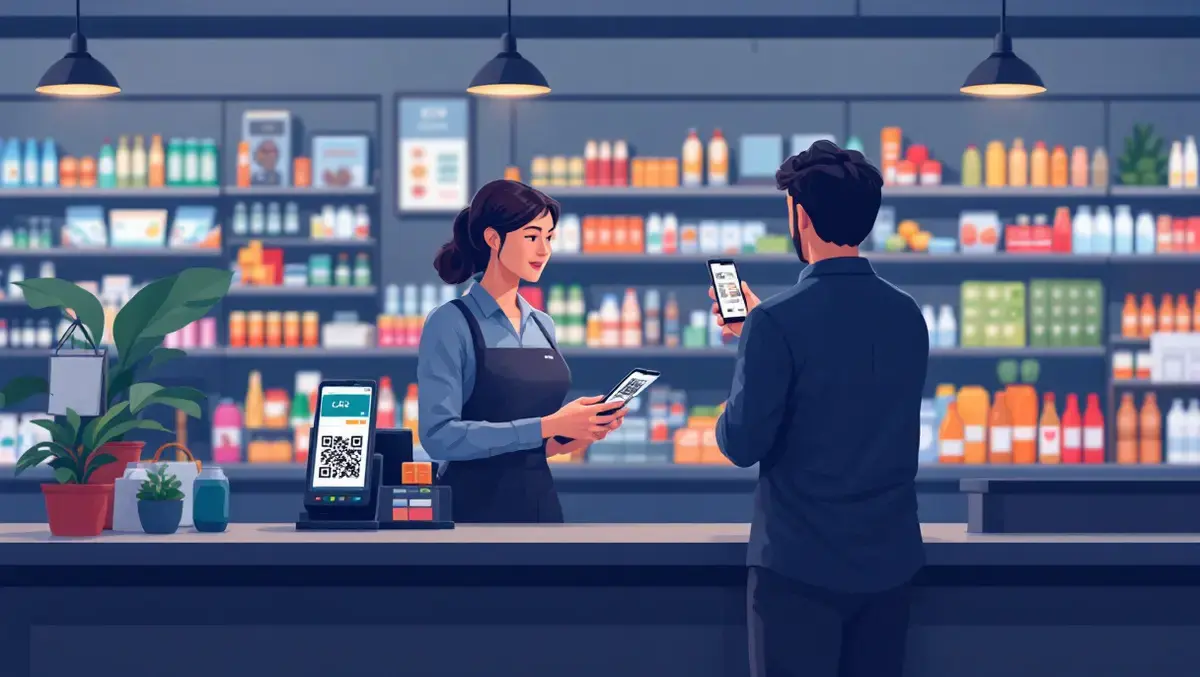
Under the process outlined by the companies, a consumer presents the credential by tap or QR code from the govt.nz app. The phone then displays a consent request for the information sought. Once the consumer approves it, the purchase can proceed.
For businesses, the system is designed to reduce the need to inspect a customer's full identity document during an age check. For consumers, it is intended to share only the information needed to confirm eligibility for an age-restricted purchase.
"Verifone and Eftpos New Zealand are proud to become a distribution channel for Kiwi Access. Verifone is enabling every compatible terminal to support the solution without the need for new hardware. Working with NEC and Hospitality New Zealand, we're showing that trusted digital identity at the point of sale can start today," said Kristy Gregory, Head of Strategic Partners at Verifone.
Gregory said Verifone handles about 700 million transactions a year in New Zealand across more than 90,000 business locations. That footprint gives the rollout added significance for merchants considering whether to adopt digital identity checks through payment devices they already use.
Kiwi Access will be supported across Verifone's Android estate, including its Victa range of devices. Introduced earlier this year, those terminals are also designed to support biometric payment options such as palm or facial recognition when retailers deploy software from trusted third parties.
Biometric payments
Those biometric payment options are expected to begin appearing next year. Their introduction would require retailers to implement separate software on Victa devices, which are built for counter, mobile and self-service transactions in retail and hospitality.
The devices also support third-party applications for services such as loyalty, ordering and donations. While biometric payments remain separate from the age-verification launch, both technologies aim to change how customers move through the checkout process.
NEC, which is working with Verifone on the Kiwi Access rollout, presented the project as part of a broader shift in digital identity use in New Zealand. The country has been building a trust framework for digital identity services, and the use of credentials for age checks at the till marks one of the most visible consumer applications so far.
"New Zealand has established the foundations for a trusted digital identity ecosystem and is leading globally in this space. Kiwi Access demonstrates what becomes possible when those foundations are translated into practical services that people and businesses can use," said Steven Graham, Head of Customer & Sales at NEC New Zealand.
Graham added that the approach is intended to simplify identity checks while limiting unnecessary data sharing. "For NEC, it's about combining our technology and expertise with the strengths of our partners to make identity verification simpler, more accessible and more secure, while giving people greater control over their personal information," he said.