

Westpac New Zealand replaces 26 HR systems with Workday
Wed, 7th Oct 2026
Westpac New Zealand has replaced 26 fragmented HR systems with Workday as it prepares its workforce for skills-based planning and AI.
Westpac New Zealand has transformed its people systems after moving away from a fragmented HR environment that included 26 separate systems, spreadsheets and manual workarounds.
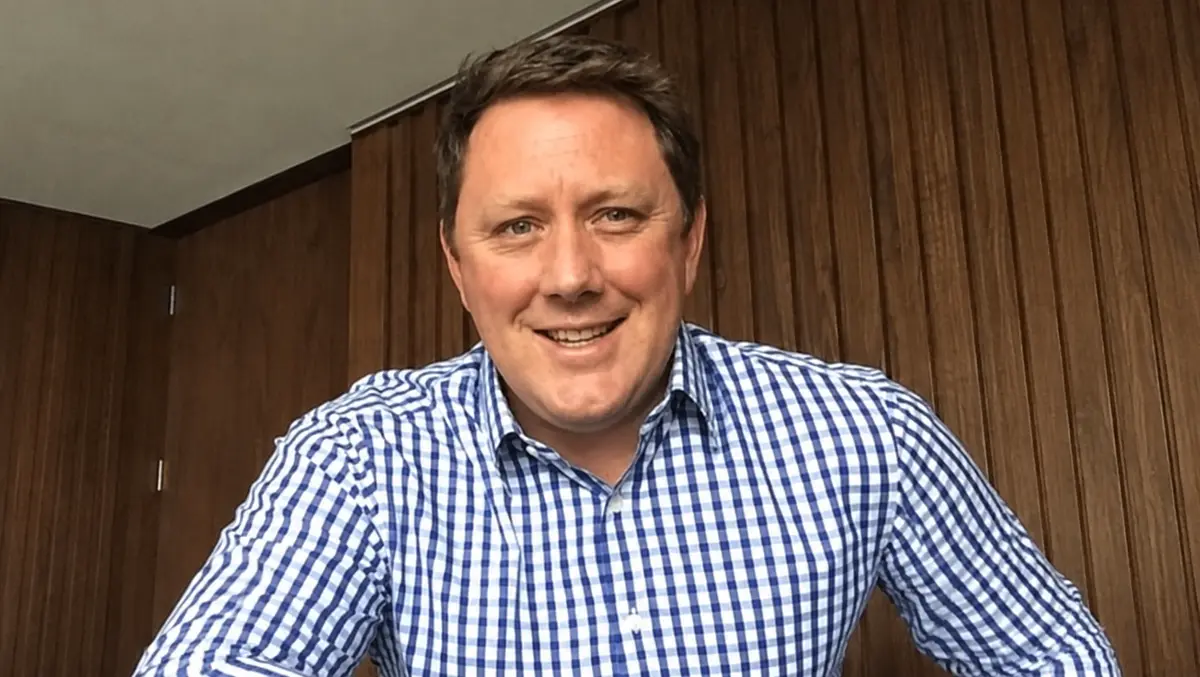
Marc Figgins, Chief People Officer at Westpac New Zealand, said the overhaul was driven by the need to improve data quality, reduce administrative work and give leaders better visibility of their workforce.
"Spreadsheets, sellotape, Blu Tack, homespun apps from defunct garage projects, inconsistent data, loose rivets, knowledge held by a few key people, and a constellation of 26 disparate HR systems cobbled clumsily together, buried in a crowded intranet, and ingenious, cunning and creative workarounds.
That was my first tentative peek under the bonnet when I took on the role of Chief People Officer at Westpac several years ago.
Since then we've been on an incredible journey of transformation with Workday, and we're now well positioned to stride into an exciting, rapidly evolving world," said Marc Figgins, Chief People Officer, Westpac New Zealand.
Three pillars
Westpac has structured its people strategy around three areas: culture, capability and capacity. Figgins said the strategy is designed to connect workforce technology with wider business objectives rather than treat HR systems as a standalone function.
"At Westpac our people strategy has three simple pillars: culture, capability and capacity. Now culture, of course, is everything. It's the collective behaviours we aspire to, like high performance and action orientation. It's grounded in clarity and transparency and trust. Capability is about ensuring our people and leaders have the skills they need now and into the future. And capacity is about whether we're using our time, energy and talent on the work that really matters. Everything we do in our people function ladders back to those three simple pillars, with Workday as the critical enabler," said Figgins.
The previous systems had created problems beyond administrative inefficiency, making it harder for leaders to access reliable workforce information.
"The simple reality was our systems were actually undermining our three Cs. They created friction and confusion, they provided no meaningful insights on the workforce, and they consumed capacity and workarounds and noise. When people don't trust the data, confidence erodes quickly, and for a people function, that's a real problem," said Figgins.
Westpac approached the implementation as a business transformation rather than an HR technology project.
"At Westpac we were very clear about how we approached the implementation. First, this was a business transformation, not an HR project. Workday touches every leader and every employee, so the business needs to own it. Second, trust was non-negotiable: clean data, clear processes, transparency. Third, we designed for humans: simplicity and inclusion," said Figgins.
Business case
The transformation took place during a period of significant leadership change at Westpac, including three CEOs, executive turnover and changes to most of the board.
Figgins said the initial argument around employee experience did not gain enough traction with his executive peers, prompting him to focus on operational and regulatory benefits.
"Early attempts to sell to my executive peers the employee experience benefit fell unsurprisingly on deaf ears. However, my pivot to the benefits of risk, compliance, cost, data privacy, and the downstream upside for tech onboarding delegations and controls, time tracking, value chains, role clarity and accountability, got a lot of traction," said Figgins.
The business case also evolved around longer-term workforce requirements.
"As did their progressive understanding of how well this would set us up for the future of work in terms of skill-based workforce planning, capability uplift, and genuine talent, mobility and career pathways," added Figgins.
Figgins had previously seen Workday in use at Air New Zealand, where he said it helped connect different employee touchpoints.
"It was actually back in the 20-teens at Air New Zealand, when I saw firsthand the impact Workday had on the employee experience. We were doing some really interesting work on human-centric design and EX, and we're sort of riffing off the customer experience work that the airline is so recognised for. And it was clear the role Workday could play in binding all those employee touchpoints together into a really meaningful ecosystem," said Figgins.
Measurable gains
The transformation has affected processes including expenses, corporate purchasing cards and performance management.
"It's given people transparency. People can see their information, their role, their team, how they fit into the wider picture. Leaders and teams are working from the same source of truth. We've taken common pain points, like expenses, P-cards, and clunky performance processes, and made them digitised, modern and seamless. And that matters, you can't aspire to be a high performing culture with tools from the dark ages," said Figgins.
Figgins said the platform's transparency around remuneration also contributed to progress on Westpac's gender pay gap.
"Workday assumed a level of corporate maturity, so Real Earnings Management (REM) transparency was a bit of a default. There was, of course, a level of discomfort, initially on this, but the collateral benefit is that this positively impacted our gender pay gap," said Figgins.
The platform has also shifted the role of Westpac's people function towards workforce capability and away from transaction administration.
"With trusted data and simpler processes, leaders are better equipped to have meaningful conversations about performance, development and growth. For our people team, it's enabled a shift from administering transactions, to partnering with the business on skills, roles and future capability," said Figgins.
Westpac plans to expand its use of Workday Learning through its reworked Banker Academy.
"That's why this year we'll leverage Workday even further, to underpin our reimagined Westpac Banker Academy. We're super excited to see the value Workday Learning can bring to this transformation project," added Figgins.
The bank says leaders are currently saving around two hours each week through simplified processes and self-service.
"By simplifying processes, enabling meaningful self-service, we've freed up time - for leaders, for teams, and for the people team. To date, leaders are saving around two hours every week, with more to come," said Figgins.
AI caution
The next stage of Westpac's workforce strategy comes as companies assess how AI could affect roles, skills and productivity.
Figgins said Westpac is taking a cautious approach and wants to identify specific problems before adopting new AI tools.
"Personally, I'm cautiously excited about the potential. Cautious, because I think there's a lot of snake oil out there, there's a lot of froth. Rather than trying to apply AI to everything, I think companies need to be really clear-headed in identifying the problems they have that need solving, and avoid signing up to every sparkling offering," said Figgins.
He said reliable workforce data will become increasingly important as Westpac develops its approach to AI and skills.
"In this new world, our three Cs matter even more. Culture will mean trust and transparency, people need to know what's true and where they stand. Capability means we understand skills, not just job titles, and we can grow those skills. Capacity means we use intelligent platforms that remove friction, not create more of it," said Figgins.
The transformation required significant work beyond the technology itself, including managing complex data and creating new policies and processes.
"If only it was plug and play. It wasn't. We had to wrangle a huge volume of complex data, and review change, and in many cases create new policies and processes. It hasn't always been simple, but Workday's been there when we needed them the most. That's what a trusted partner looks like," said Figgins.