

Williams & Wilshier cuts microsleeps by 80 per cent
Fri, 27th Nov 2026 (Today)
Williams & Wilshier has cut driver microsleep events by 80 per cent across its truck fleet after a long-running fatigue management programme combining driver monitoring technology, education, and individual support.
Data from the central North Island logging operator's 60-truck fleet shows average monthly microsleep events fell from 21 to 4.2. Early drowsiness detections also dropped by 54 per cent.
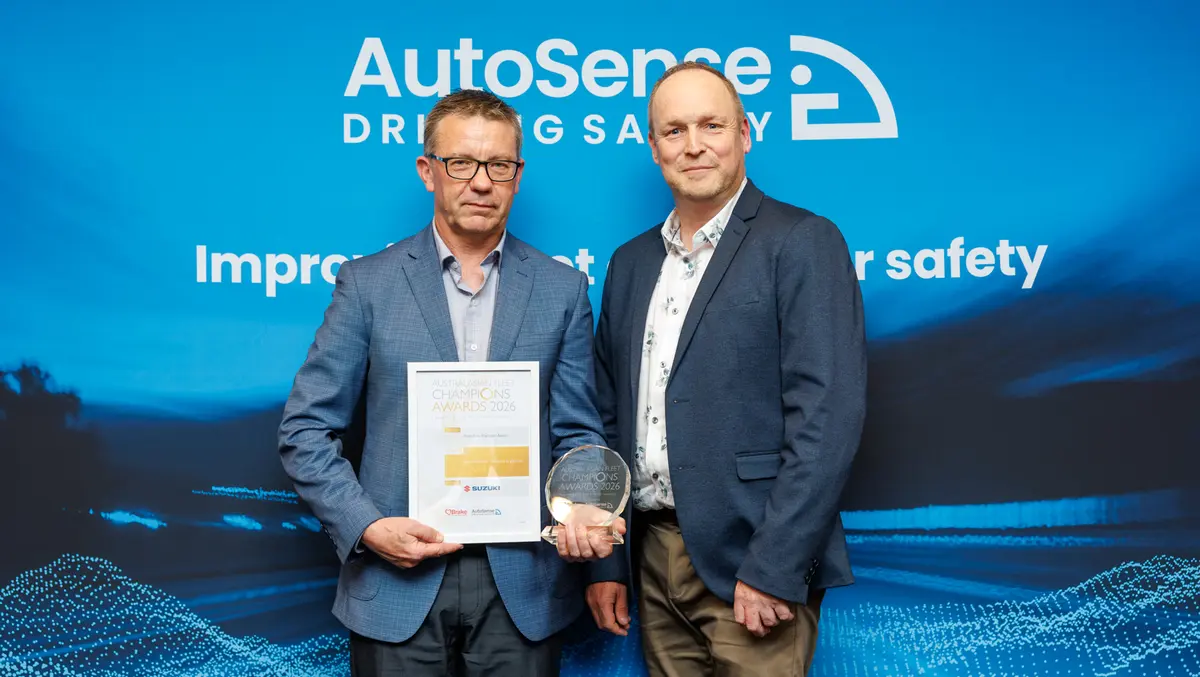
The results helped earn General Manager Jason Williams the Road Risk Manager of the Year title at the 2026 Australasian Fleet Champions Awards. Organised by road safety charity Brake, the awards recognise efforts to reduce deaths and injuries involving work vehicles and drivers on the job.
Williams & Wilshier transports logs for several major forestry customers across the central North Island. About a third of its fleet operates off-highway, using forestry roads and travelling between changing harvesting sites.
Long programme
The company began using Guardian driver monitoring technology in 2017 after a three-month trial funded through insurer NZI's Fleet Fit programme. Guardian later became a permanent part of its safety programme.
Drivers were initially wary of the in-cab cameras, Williams said. "It was a little bit challenging," said Jason Williams, General Manager, Williams & Wilshier.
"It was a definite adjustment for our drivers. Some of them didn't like it and some of them took it on board. Like any change, it takes time," he said.
Over time, the company used monitoring data to identify fatigue patterns and support discussions with drivers about sleep, health, lifestyle, and work demands. About half a dozen drivers later sought treatment for sleep apnoea, while the business developed a process to change drivers, alter start times, or assign shorter shifts when someone was not fit for a normal day's driving.
"It's just being able to try and ease whatever's going on with them," Williams said.
"And if they're no good, there's no point putting them on the road," he said.
Trial results
In 2025, the operator became the trial fleet for Guardian's Driver Drowsiness and Attention Warning system, working with AutoSense. The system is designed to detect earlier signs of drowsiness before a microsleep event occurs.
The trial first monitored drowsiness events without activating driver warnings to establish a baseline. In-cab visual warnings were then introduced alongside fatigue awareness training and one-to-one support for drivers identified as higher risk.
During the next six months, average monthly microsleep events fell by 80 per cent compared with the previous six months. That improvement continued through the following four months measured.
The data also showed three drivers were initially responsible for 56 per cent of all detected drowsiness events. The company used that information to hold individual discussions about sleep habits, lifestyle, and route demands.
By April 2026, those three drivers had achieved an average 66 per cent reduction in detected drowsiness events, with individual improvements ranging from 48 per cent to 80 per cent. The rest of the fleet recorded a 39 per cent reduction.
Education focus
AutoSense Fatigue and Sleep Specialist Kat Aubrey worked with the company as part of the programme, providing education to help drivers recognise fatigue and understand the effects of sleep and lifestyle on fitness to drive.
Williams said an external specialist helped reinforce the company's internal safety messages. "I think having someone like Kat come and speak to our guys has been really good too. It's someone different. They're not hearing the same story from people like me," he said.
He said the sessions also prompted more drivers to look at their own sleep quality. "It's been an education for a lot of people. Out of that came a significant number of people going and having sleep apnoea tests," Williams said.
Aubrey said the company's approach depended on sustained work with drivers rather than treating the technology as a standalone fix. "I think the key with Jason and his team was that they really put the time and effort into the people and the education," said Kat Aubrey, Fatigue and Sleep Specialist, AutoSense.
Williams & Wilshier incorporated fatigue education into health and safety meetings and continued regular conversations with drivers. "They show that they care and it's really made a big difference," Aubrey said.
Sector view
The company is now in its second year operating under the New Zealand Transport Agency's Alternative Fatigue Management System, which allows approved operators to take shorter, more frequent rest breaks if they can support the arrangement with evidence of effective fatigue management.
Williams said he wanted the model adopted more widely in New Zealand heavy transport. "I would like to see that rolled out to the heavy transport sector in New Zealand," he said.
He also described AutoSense as an important part of the company's safety work. "Honestly, they've been great to work with. It's been fantastic, really," Williams said.
He said AutoSense had been "a very big part of changing our culture".
For other operators weighing driver monitoring systems, Williams offered a direct view: "You've got to give it a go. Don't be afraid to try it."