Retail stories
Customers could offset the cost of a new handset by recycling older devices, with One New Zealand unlocking more than NZD $10.6 million in value this year.
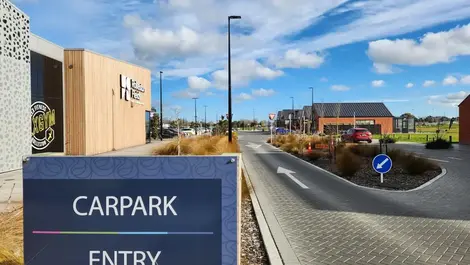
Rolleston residents are set to gain new retail and office space as the town square project moves ahead after a 2024 pause.
The Freemans Bay site gives customers hands-on access to Epson's range as the company seeks to deepen its business footprint in New Zealand.
Customers in Australia and New Zealand can avoid Christmas delays by using FedEx's 2026 cut-off dates for domestic, trans-Tasman and overseas parcels.
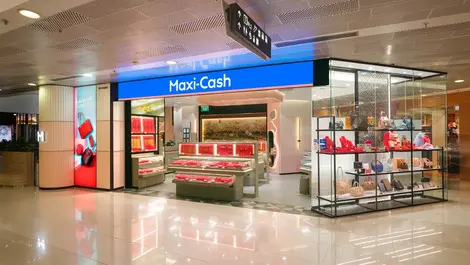
Store staff at Maxi-Cash can now get faster technical help through a Microsoft Copilot Studio bot, after a proof-of-concept programme.
Higher delivery costs and tougher expectations are squeezing Australian retailers as Amazon, Temu and Shein expand their grip on eCommerce.
Businesses will be able to build data pipelines in a governed environment, as Incorta seeks to cut tool sprawl and reduce AI errors.
Australian members can now earn and redeem loyalty points on their phones, with early access to selected LEGO product launches also included.
Retailers could keep shoppers engaged between purchases as the tie-up links games to loyalty rewards and first-party data collection.
Early pilots suggest buildings could cut needless alerts by up to 90% and trim energy use by as much as 10% with the new system.
The upgrade gives the consultancy stronger standing as enterprises move AI from pilots into production, with more than 50 Claude projects under way.
Retailers may see holiday sales dented months later, as earlier shopping leaves a longer window for refund abuse, disputes and chargebacks.
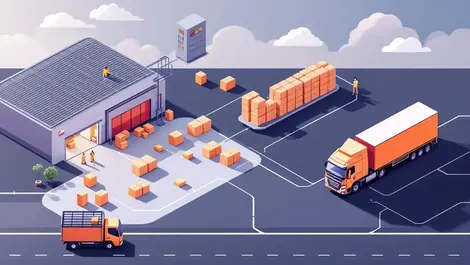
Potential weekly sales lost to backorders have fallen by USD $640,000 after Titan Brands linked ordering, warehousing and transport systems.
Visibility gaps are leaving most grocers unable to track day-to-day performance in fresh departments, despite broad confidence in results.
Advertisers paid more for Black Friday inventory, but stronger conversion performance still lifted returns as order costs fell 18%.
Most UK consumers plan to keep festive spending steady, while AI use for price comparisons is gaining ground amid economic uncertainty.
Late planning could leave smaller online retailers facing higher delivery costs and scarce warehouse space during Black Friday and Christmas trading.
The deal gives retailers more ways to fund warehouse automation as THG Fulfil adds outright purchase to its AutoStore offer.
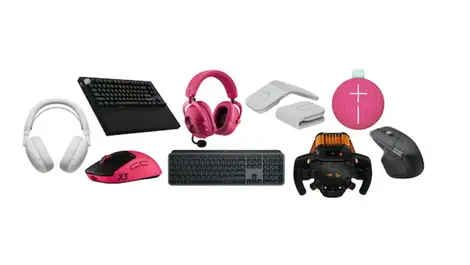
Shoppers can buy Logitech's holiday range from AUD $99.95 to AUD $1,499.95, spanning work, gaming and audio gifts across its portfolio.
Indoor connectivity at an Optus store in Coffs Harbour is being boosted as more than 80 per cent of mobile data use now happens inside buildings.