

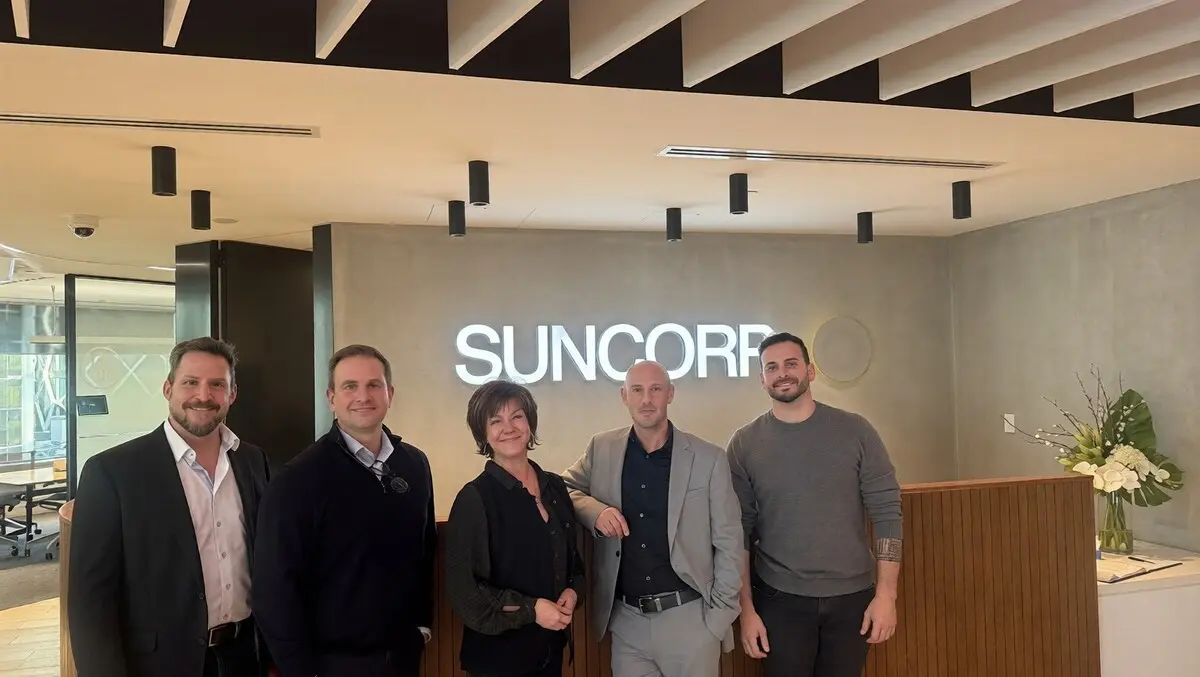
Vero Insurance teams with The Optimisers on AI search
Mon, 20th Jul 2026%201.webp)
Vero Insurance has engaged The Optimisers to support its search strategy across SEO, GEO and AEO, reflecting changes in how consumers seek information online.
The New Zealand insurer will work with the agency to improve visibility across traditional search engines and AI-led discovery platforms. The engagement also includes a workshop for Vero's marketing and communications teams on how customers use tools such as Google AI Overviews, ChatGPT and Perplexity to research products and compare providers.
The arrangement focuses on how insurance information is structured and presented so it can be found and understood in different search environments. This includes established search engine optimisation work, content strategy and technical changes linked to the rise of AI-generated answers.
Insurers increasingly have to consider how digital content appears not only in search rankings, but also in machine-generated summaries and recommendations. In a category where customers often compare detailed policy information before making a decision, that shift has implications for how brands present information online.
Richard Conway, Founder and Chief Executive Officer of The Optimisers, said the changes were significant for brands trying to remain visible.
"Search is going through a fundamental and exciting shift. I've not seen a change this impactful since I set up my first Google Ads campaign in 2002."
He said the shift in search behaviour was already affecting how people make decisions.
"Customers are changing their search habits. Many are now using AI systems for recommendations, comparisons, explanations and next steps. Brands need to think about whether they are being understood, trusted and referenced accurately by these systems."
Conway said the insurance sector faced particular pressure because of the level of trust involved in purchases. "For a category like insurance, this is particularly significant. People are making high-trust, high-consideration decisions. The brands that will lead in this next era are the ones providing clear, useful, authoritative content that helps customers and can be properly interpreted by AI."
He also pointed to Vero's decision to act early.
"Vero, which offers general insurance through its insurance broker network, is taking a smart and proactive approach. It is investing in understanding the change, building internal capability and making sure its digital presence is ready for where customer behaviour is heading."
Search changes
Generative Engine Optimisation, or GEO, focuses on how a brand is represented in AI-generated answers. Answer Engine Optimisation, or AEO, centres on structuring content so it can surface as a direct answer across search and AI platforms. Both sit alongside traditional SEO rather than replacing it.
For marketers, the shift means content has to do more than just rank well in search results. It also has to be clear enough for automated systems to interpret, cite and present accurately when users ask conversational questions.
Vero described the work as part of a broader effort to make insurance information easier for customers and broker partners to access.
"At Vero, we're focused on providing clear, useful and trustworthy insurance information that helps our customers and broker partners make informed decisions. As the way people search for, compare and evaluate information continues to evolve, it's important that we evolve alongside them," said Campbell Hodgetts, Executive Manager, Corporate Affairs, Marketing and Sustainability, Vero Insurance.
"Working with The Optimisers is helping us better understand the changing search landscape and how emerging AI-powered platforms are influencing customer discovery and decision-making. By strengthening our approach across SEO, GEO and AEO, we're aiming to ensure our content remains accessible, relevant and easy to find wherever customers are seeking information.
"This is ultimately about improving the customer experience. We want people to be able to access the information they need in the way that best suits them, whether that's through traditional search engines or newer AI-driven channels."
Early moves
Many businesses still assume appearing in AI-driven search results follows the same rules as conventional SEO, according to The Optimisers. Conway argued that while some established principles still matter, companies also need to account for how AI systems assess trust, structure and authority.
"The mistake many people make is thinking ranking in AI is the same as traditional SEO. Many of the SEO fundamentals are important, but this needs to be considered and augmented by a whole new set of activities. AI search rewards clarity, authority, structure and usefulness. Trust is critical. While it works in isolation, the real value lies in the measurement, insights and optimisation of the full customer journey."
He said companies that move sooner may gain an advantage as search fragments across platforms and interfaces.
"There is a huge opportunity now for early adopters. The brands that invest now will be better placed as search becomes more conversational, more fragmented and more decision-led."